





Why Do Lithium Batteries (Cells) Swell? Can Swollen Batteries Still Be Used?
The core reason for lithium battery swelling (also known as expansion) is the accumulation of gas inside the cell. This phenomenon stems from several key causes, each directly linked to damage within the battery's internal structure.
Firstly, overcharging or over-discharging is a major factor. Lithium batteries operate within a strict rated voltage range (for example, common ternary lithium cells are typically designed to operate between 3.6V and 4.2V per cell).
- Overcharging(exceeding the upper voltage limit, e.g., 4.2V) causes structural collapse in the positive electrode's lithium cobalt oxide due to excessive lithium removal. Simultaneously, the graphite layers in the negative electrode can peel off from excessive lithium intercalation. These abnormal chemical reactions release gases like carbon monoxide and carbon dioxide.
- Over-discharging(dropping below the lower voltage limit, e.g., 2.5V) leads to the irreversible formation of lithium dendrites inside the battery. These tiny, needle-like lithium crystals can pierce the separator that keeps the positive and negative electrodes apart, indirectly triggering gas generation.
Secondly, internal short circuits are a critical cause. These can originate from production flaws, such as poorly welded tabs or microscopic pinholes left in the separator. Physical damage during use—like a phone being dropped or a laptop being crushed—can also deform the cell, causing the positive and negative electrodes to come into direct contact. This results in intense, instantaneous heat-generating reactions that produce a large volume of gas.
Furthermore, natural aging or prolonged exposure to high temperatures can induce swelling.
- After approximately 500 charge-discharge cycles, the active materials inside a battery significantly degrade.
- Long-term storage or use in environments above 60°C (e.g., inside a car on a sunny day, or on a desk near a heater) accelerates the decomposition of organic solvents like dimethyl carbonate and ethylene carbonate in the electrolyte. This destabilizes the battery's internal system, ultimately releasing gas and causing the battery to swell.
It is crucial to understand that a swollen lithium battery must absolutely not continue to be used. This conclusion is based on three critical dimensions: safety, performance, and device protection.
1. From a Safety Perspective
Swelling is a clear signal that internal pressure has exceeded the casing's design limits, indicating severe internal structural damage. The pressure continues to build.
- If the pressure inside the cell exceeds approximately 0.5 MPa (about 5 times atmospheric pressure), the casing can rupture and leak electrolyte. The leaked electrolyte contains corrosive substances like lithium hydroxide, which can cause burns on skin and poses a severe risk if it contacts the eyes or mucous membranes.
- More dangerously, the risk of thermal runawayincreases dramatically in a swollen battery. Even minor vibrations or small fluctuations in ambient temperature can trigger a chain reaction, potentially leading to fire or even explosion in extreme cases. The consequences are magnified in confined spaces like pockets, backpacks, or drawers.
2. From a Performance Perspective
The internal damage directly causes a severe decline in core battery functions.
- Capacity A phone battery originally rated at 5000mAh might only hold 2000mAh or less, making it insufficient for daily use.
- Voltage stabilitydeteriorates drastically. During charging, voltage can spike above safe thresholds; during discharge, it can drop suddenly, causing the device to shut down or restart frequently. "False charge" readings are common—for instance, the battery level might drop over 10% within minutes of being unplugged from the charger. Such a battery cannot provide stable power.
3. Risks to the Device and Surroundings
Continuing to use a swollen battery introduces additional risks.
- For devices like phones and laptops, the swollen battery continuously generates heat. This can overheat and damage sensitive components on the device's mainboard, such as chips and capacitors, shortening the device's lifespan.
- If the casing ruptures, the leaked electrolyte can corrode the device's internal circuits, causing irreversible hardware failure.
- In the worst case, a battery fire or explosion can damage surrounding objects, like documents on a desk or other devices in a backpack, leading to a broader safety incident.
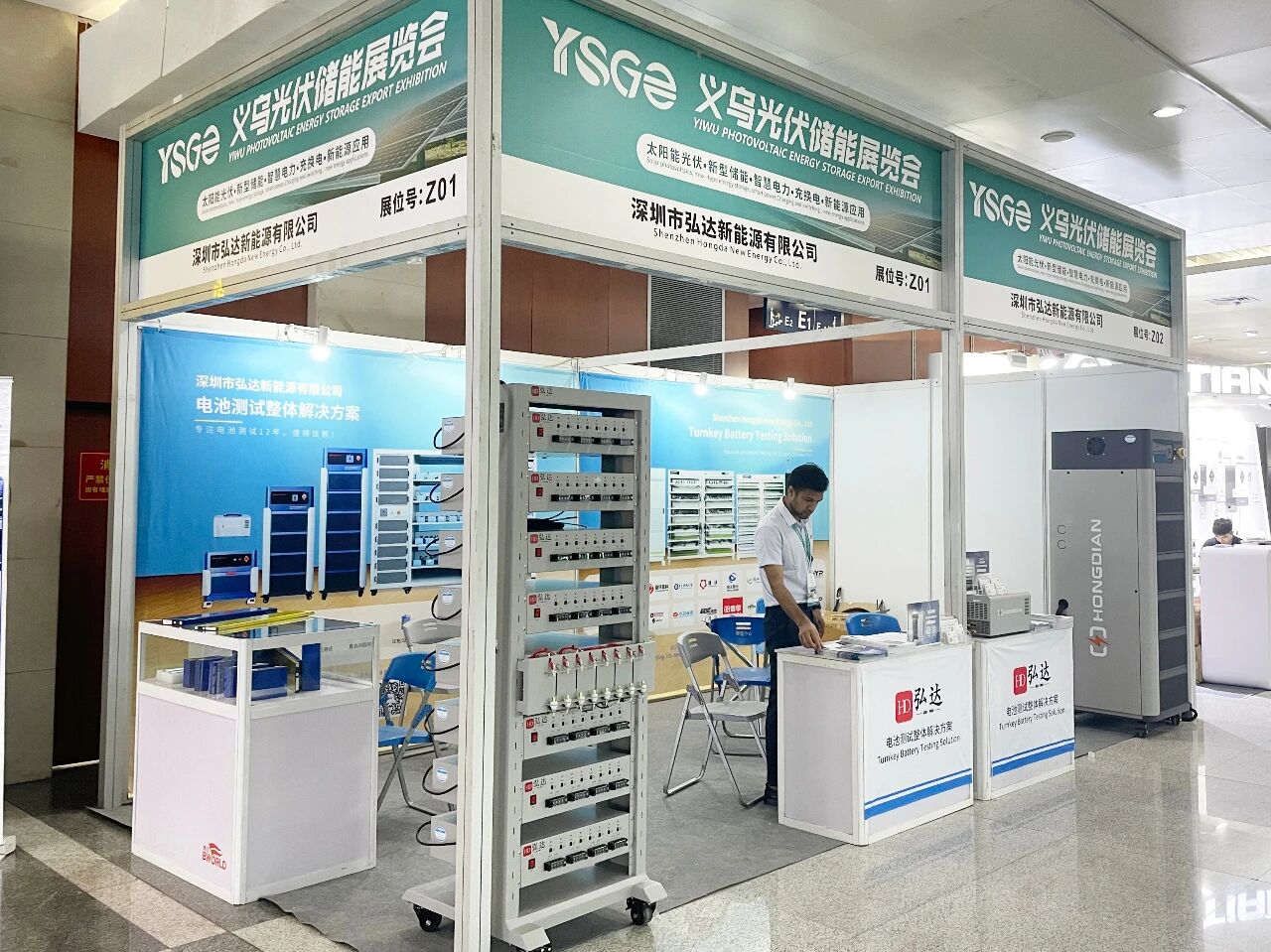
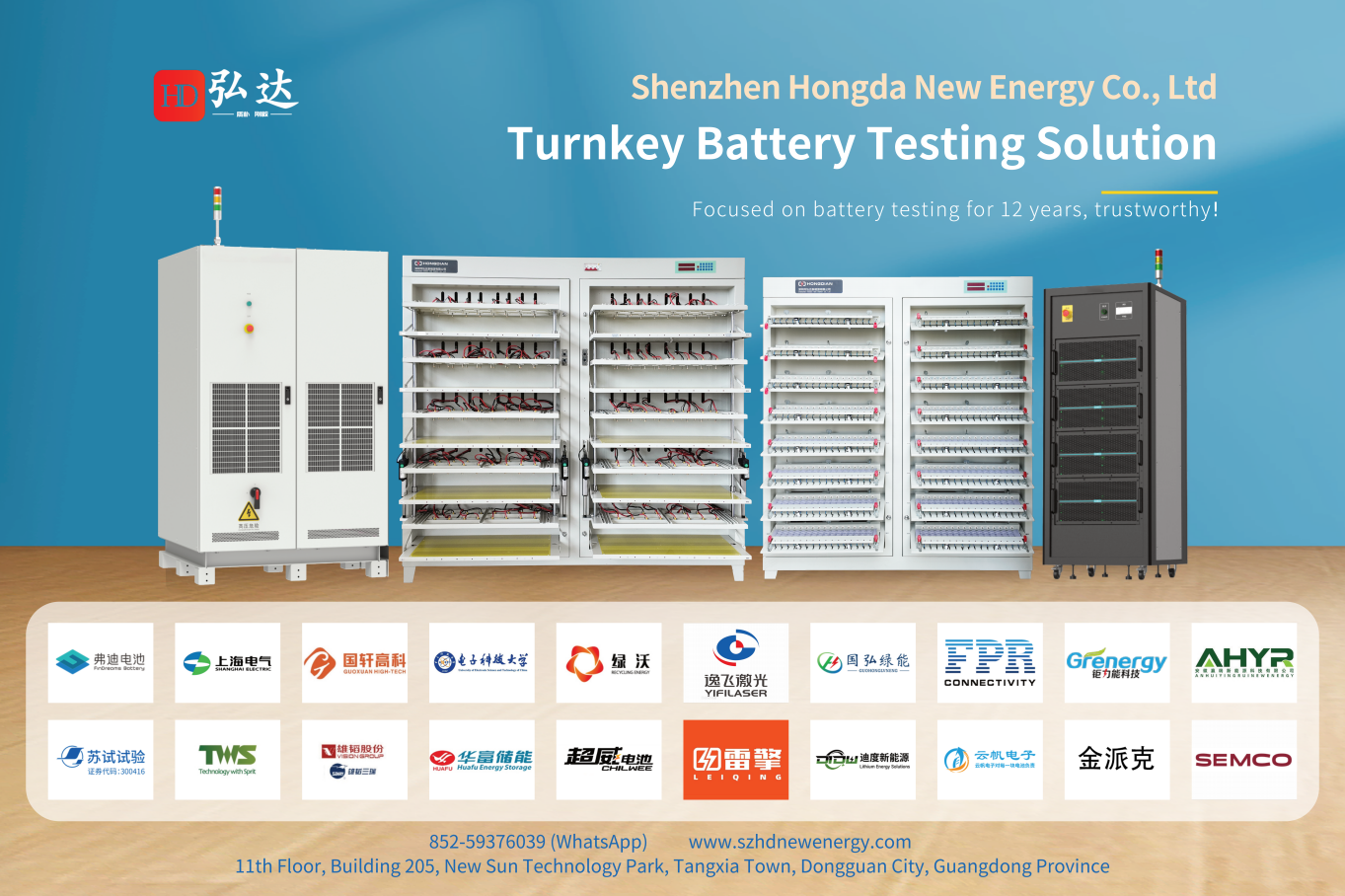
Professional testing to prevent problems: Shenzhen Hongda New Energy Co., Ltd. escorts you
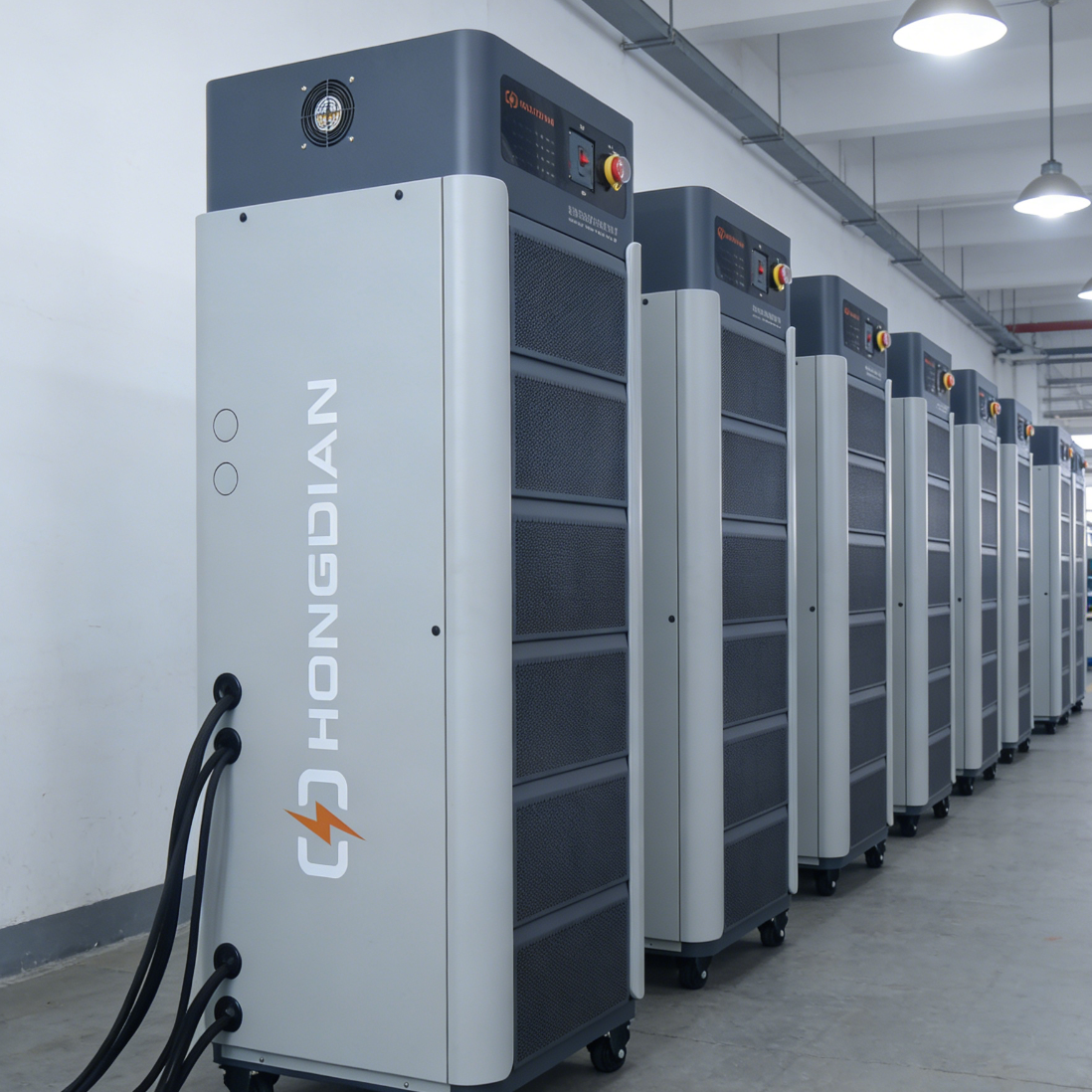
To avoid the risk of bulging, the key is to accurately monitor the status of the battery before leaving the factory and during use. The high-precision battery testing equipment developed by Shenzhen Hongda New Energy Co., Ltd. can simulate extreme working conditions such as overcharging, overdischarging, high and low temperatures, comprehensively evaluate the airtightness, cycle life, and safety threshold of battery cells. Our charge and Discharge Tester supports a voltage accuracy of ± 0.1mV, coupled with a patented explosion-proof box design, to help enterprises control quality from the source. If you need customized testing solutions or equipment selection guidance, please feel free to contact the Hongda New Energy Technology Team!