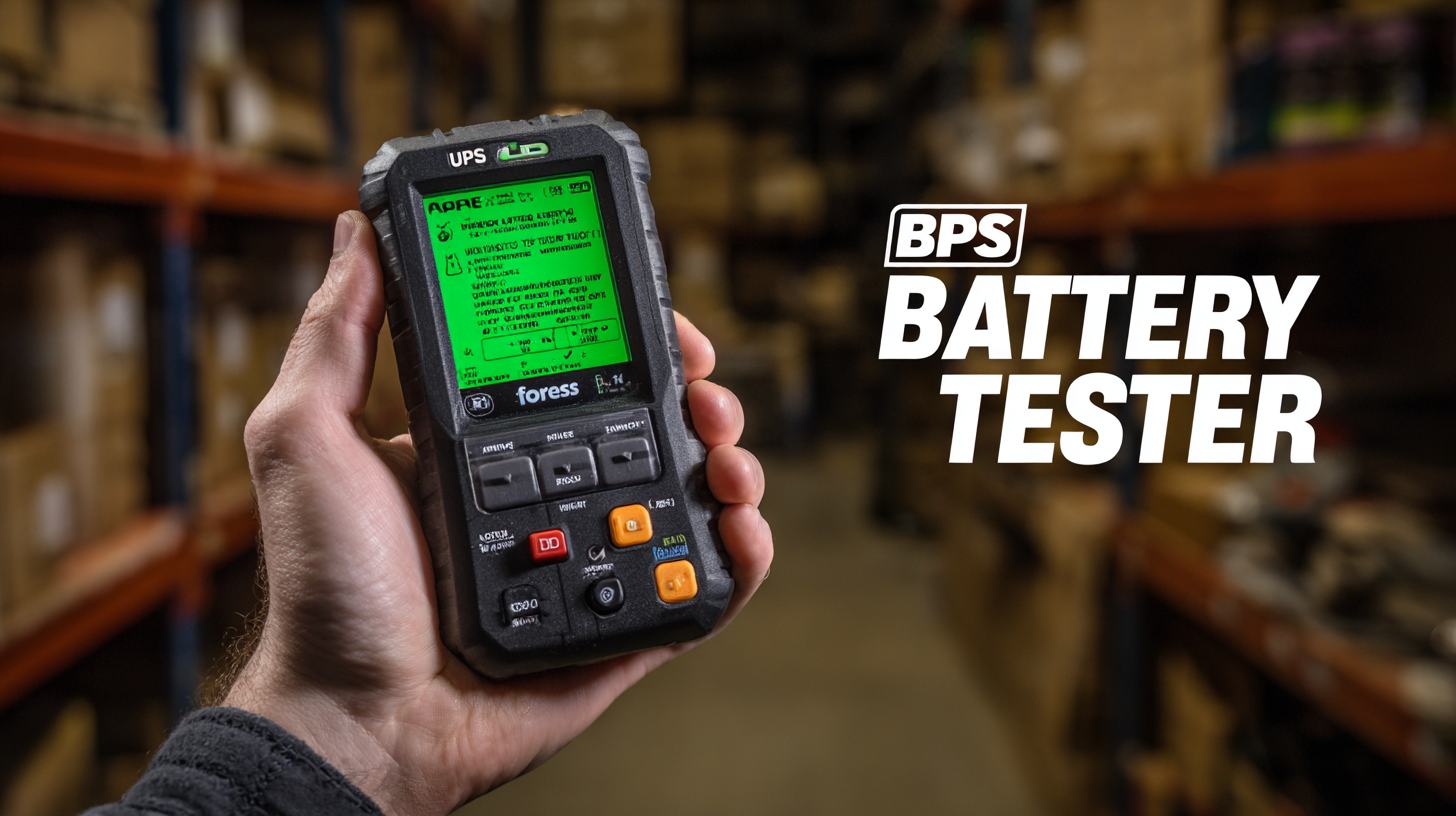
You know, the energy landscape is changing pretty fast these days! Because of that, there's been a big jump in the demand for reliable Uninterruptible Power Supply (UPS) systems. This trend has also led to a rise in the need for high-quality UPS Battery Testers. Industry reports suggest that the global UPS market is on track to hit a whopping $17 billion by 2026! This boost is really driven by an increasing dependence on efficient power solutions across all sorts of sectors. As businesses expand globally, it’s super important to get a handle on the import and export certifications for UPS Battery Testers. This ensures they’re compliant and maintaining quality. Enter Shenzhen Hongda New Energy Co., Ltd. With its wide sales network and commitment to diverse customers, they’re ready to help folks navigate the tricky world of compliance while providing top-tier testing equipment. In this blog, we’ll dive into the essential certifications you need to know about, making it easier for businesses to tackle the complexities of international trade in UPS Battery Testers and really maximize their energy solutions.
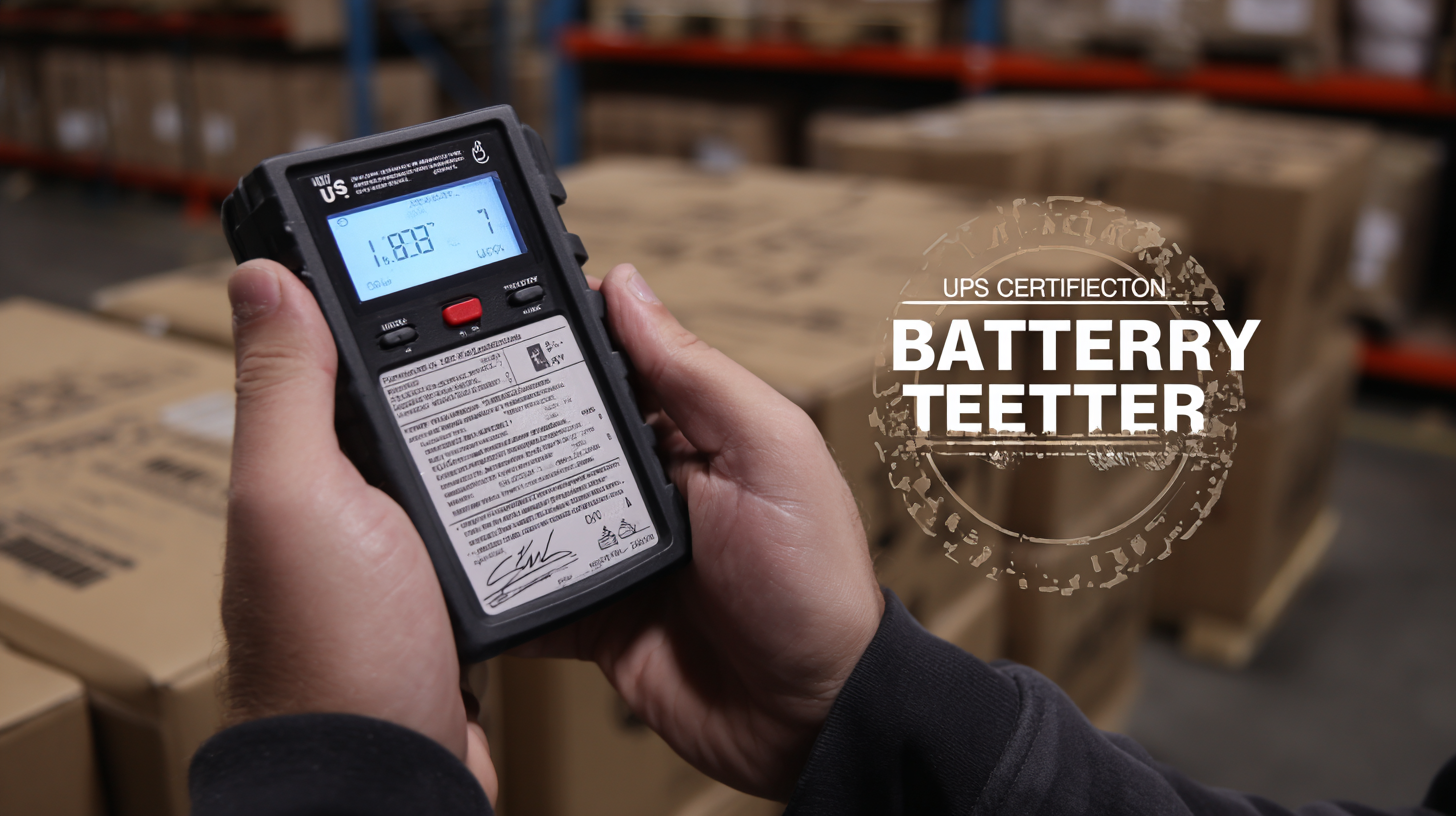
Understanding the Importance of Import and Export Certifications for UPS Battery Testers
Alright, so when you’re diving into the whole world of import and export certifications for UPS battery testers, you really can’t overlook how important those certifications are. They’re not just some bureaucratic hurdle; they actually help make sure your products meet safety and quality standards, which is super important for smooth sailing in international trade. I mean, if you're in the business of importing or exporting UPS battery testers, it can feel a bit overwhelming trying to make sense of all the regulations out there. But trust me, getting this right is essential for keeping your products safe and protecting your brand’s reputation. It’s kind of like how there’s been a big push recently to beef up food testing infrastructure to ramp up exports. Just like that, having solid certification processes is key to building trust in the UPS sector and ensuring people see your products as reliable.
And hey, if you think about how strict the regulations are for pharmaceutical exports that everyone’s been talking about lately, the same goes for our UPS battery testers. They’ve got to play by some specific international rules if they wanna break into global markets. These certifications really help cut down on the chances of dealing with shoddy products, which is a win for both companies and consumers alike. So, getting your head around these certification requirements is super important if you want to effectively position your UPS battery testers in different markets without getting tripped up by regulatory headaches.
Key Certifications to Look for When Purchasing UPS Battery Testers
If you're thinking about buying a UPS battery tester, it’s super important to get a handle on the key certifications. Seriously, these certifications are like your safety net; they’ve got your back when it comes to quality and performance. They basically confirm that the product meets the industry standards we all care about, like safety, reliability, and efficiency. Take certifications like ISO, CE, and UL for example—they give you peace of mind knowing that the battery testers have been through some tough testing and follow the necessary regulations. This way, you cut down the chances of any hiccups during those crucial operations.
Now, looking ahead to 2025, the Battery Testing, inspection, and certification market is really gearing up to be a big deal. As more industries lean on uninterrupted power supply systems, you can bet the demand for top-notch testing equipment is going to climb. So, if you're buying, definitely make certified UPS battery testers a priority. You really want to avoid any careless testing that could cost you big time in downtime or, worse, safety issues. Keeping tabs on these certifications not only helps your operations run smoothly but also keeps you in line with the global standards as everything evolves around us.
Evaluating the After-Sales Service Benefits of UPS Battery Testers
When we think about the after-sales service benefits of UPS battery testers, we really can’t ignore how important reliability has become in the battery market. You know, some recent studies show that up to 75% of home battery systems might run into issues after being tested over time. That definitely raises some red flags about picking the right UPS systems and whether they’ll hold up in the long run. Nowadays, customers are really putting a lot of weight on after-sales support, which includes things like routine maintenance, monitoring performance, and quick help when something goes wrong, especially when they're choosing battery testers and storage solutions.
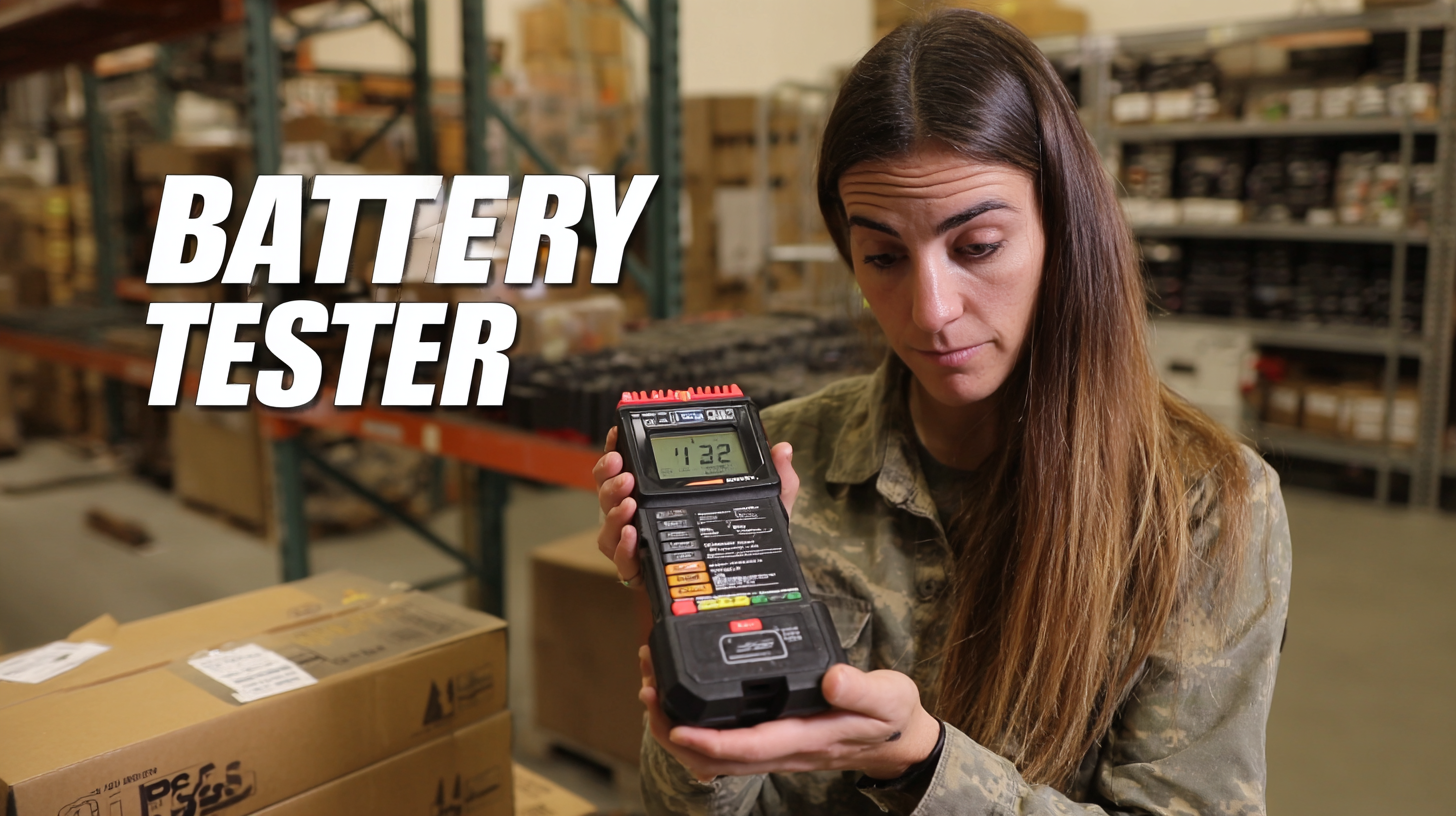
Plus, initiatives aimed at customer care—like upgraded service programs—really help build trust and keep customers happy. For example, in sectors such as commercial vehicles, we've seen that having integrated after-sales services, like routine health check-ups and user training, can seriously enhance how well products perform and boost users’ confidence. As the industry pivots towards more resilient and sustainable battery solutions, focusing on after-sales service is going to be key in helping brands stand out in such a competitive market. Not only do solid after-sales strategies foster customer loyalty, but they also play a part in creating a more circular economy for battery use, which aligns nicely with those big global sustainability goals we're all hearing about these days.
Analyzing Repair Costs and Maintenance for UPS Battery Testers
So, when you're thinking about getting a UPS battery tester, it's really important to take a good look at possible repair costs and how to keep it maintained. You know, these testers are pretty essential for keeping tabs on battery health and performance. Plus, doing some regular maintenance can help you dodge unexpected failures. For companies like Shenzhen Hongda New Energy Co., Ltd., which has built a pretty impressive service network across various countries, paying attention to these details can really boost customer satisfaction and help products last longer.
Keeping your UPS battery testers serviced on a regular basis is a smart move; it can help you spot any potential issues before they turn into big, costly repairs. Some key maintenance tips include doing routine inspections, updating firmware, and making sure to clean the contacts for top-notch performance. By investing in preventive maintenance, businesses can not only extend the life of their testers but also cut down on repair costs and reduce downtime. As Hongda New Energy supports its diverse range of customers, they’re dedicated to sharing useful insights on how to manage and take care of UPS battery testers properly. This commitment really helps clients avoid interruptions in their operations and makes the whole import and export certification process smoother, which in turn, amps up overall business efficiency.
Navigating Regulatory Requirements for Importing and Exporting UPS Battery Testers
If you're into exporting and importing UPS battery testers, you know that dealing with those pesky regulatory requirements is key to keeping everything running smoothly. Take Mexico, for example. With its rules changing all the time, it can really throw a wrench in the works for businesses trying to get their products out there. To dodge any hiccups and make sure your battery testers are up to snuff with local standards, it’s super important to stay in the loop about the latest rule changes and get to know what’s needed for your target market.
Tip 1: It really pays off to team up with a local compliance expert who knows the ins and outs of the certification process in the country you’re targeting. Trust me, having that kinda help can save you a bunch of time and money, so you can concentrate on what you do best—running your business.
Also, with how quickly international trade can shift—like those recent US tariffs and the new regulations popping up in Europe—staying flexible is a must. Keeping an eye on trade agreements and regulatory changes can help you spot new chances for getting your UPS battery testers out there while minimizing any risks that might come your way.
Tip 2: Make it a habit to review the trade policies and certifications that affect your products regularly. Being proactive like this can really give your business a leg up when it comes to navigating the complexities of imports and exports.
Strategies for Ensuring Compliance with Import and Export Standards in UPS Battery Testing
When it comes to getting the hang of import and export certifications, it’s super important for businesses working with UPS battery testing—especially now, as the market for battery components is really taking off in places like Europe and North America. With a growth rate projected at a whopping 19 percent, companies need to get a solid grip on import and export standards to make the most out of this opportunity. Following these regulations doesn't just keep your operations running smoothly; it also boosts your product’s credibility in such a competitive market.
So, to make sure you're on the right path for compliance, it’s a good idea to dive into both local and international certification requirements that specifically apply to battery testing equipment. You’ll need to wrap your head around certain documentation, labeling, and safety standards that your products have to meet before crossing borders. Plus, getting in touch with certification agencies early in your development process can really help you dodge potential hiccups and ensure your UPS battery testers tick all the legal and safety boxes without a hitch. By focusing on compliance, businesses can protect their spot in the market and keep the growth rolling in this booming industry.
How to Navigate Import and Export Certifications for the Best Ups Battery Tester
| Certification Type | Issuing Authority | Duration of Validity | Required Documentation | Compliance Standards |
| ISO 9001 | International Organization for Standardization | 3 years | Quality Manual, Procedures | Quality Management Systems |
| CE Marking | European Committee for Standardization | Indefinite (as long as standards are met) | Technical Documentation, Declaration of Conformity | Safety and Environmental Standards |
| UL Certification | Underwriters Laboratories | Annual Review | Test Reports, Compliance Assurance | Product Safety Standards |
| RoHS Compliance | European Union | Indefinite | Technical Documentation, Test Results | Restriction of Hazardous Substances |
Elevate Your Battery Performance: Unleashing the Power of High-Precision Testing Systems for Optimal Monitoring
In the ever-evolving world of battery technology, the precision of testing systems plays a crucial role in optimizing performance. The right high-precision testing system can illuminate aspects of battery behavior that are often overlooked, offering insights necessary for enhancing the longevity and reliability of battery applications. With advanced features tailored to meet the rigorous demands of modern testing protocols, these systems provide unparalleled monitoring capabilities that are essential for both manufacturers and researchers alike.
The 6U battery testing cabinet stands out as a top-tier solution for those requiring extensive testing capabilities. Engineered to support battery voltages ranging from 30V to 120V, this sophisticated system features up to 8 channels, enabling efficient testing of multiple batteries simultaneously. This flexibility is particularly beneficial for large-scale projects, where the ability to conduct comprehensive assessments swiftly can significantly impact development timelines. By harnessing a high-precision testing system like the 6U cabinet, organizations can ensure their batteries meet the highest standards of efficiency and safety, paving the way for remarkable advancements in energy storage technology.
With the advent of such innovative testing solutions, industry players can now unleash the full potential of their battery technologies. High-precision testing not only helps identify performance issues but also aids in the development of improved battery chemistries and designs. As demands for energy storage continue to soar, investing in advanced testing systems becomes not just an option, but a necessity for those looking to stay ahead in this competitive landscape.
FAQS
: Key certifications to look for include ISO, CE, and UL, which validate that battery testers meet specific industry standards for safety, reliability, and efficiency.
Certifications serve as a benchmark that ensures products have undergone rigorous testing and comply with regulatory requirements, reducing the risk of failures during critical operations.
The landscape of the battery testing market is expected to grow increasingly important, with rising demand for high-quality testing equipment as industries rely more on uninterrupted power supply systems.
Improper testing can lead to costly downtimes and safety hazards, making it essential to prioritize certified UPS battery testers for optimal functioning and longevity.
Businesses should familiarize themselves with local and international certification requirements, including necessary documentation, labeling, and safety standards.
The battery components market is projected to grow at a rate of 19 percent, emphasizing the importance of compliance with import and export standards.
Early engagement with certification agencies can help mitigate potential delays and ensure that UPS battery testers meet all legal and safety standards efficiently.
Adhering to certification standards enhances product credibility in a competitive marketplace, supporting operational effectiveness and growth.
Prioritizing compliance safeguards a company's market position and fosters further growth in a rapidly expanding sector.
Not prioritizing certified testers could lead to increased risk of operational failures, higher maintenance costs, and safety issues.

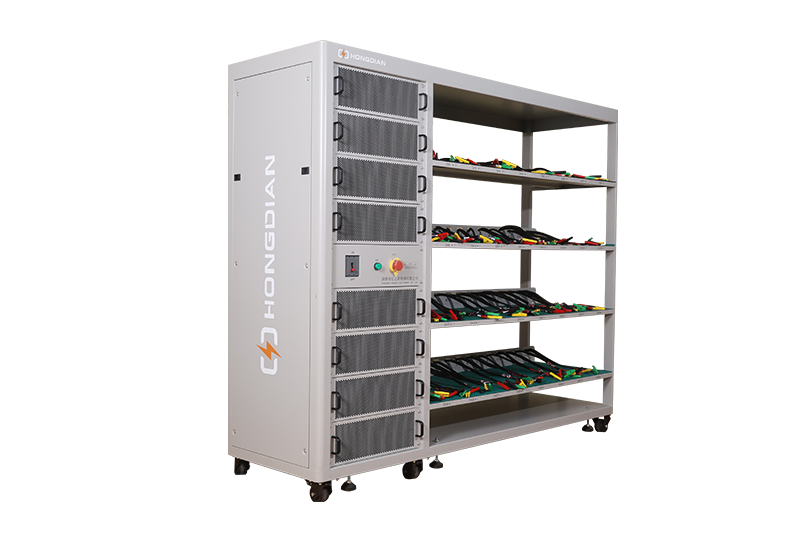 32/48 channel battery charging and discharging test integrated battery cabinet
 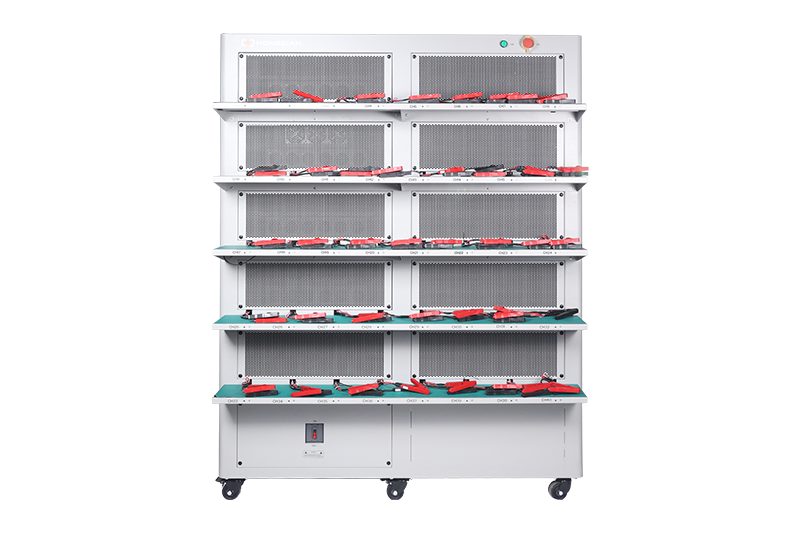 40 channel battery charging and discharging test integrated battery cabinet
  64 channel battery charging and discharging test integrated battery cabinet
 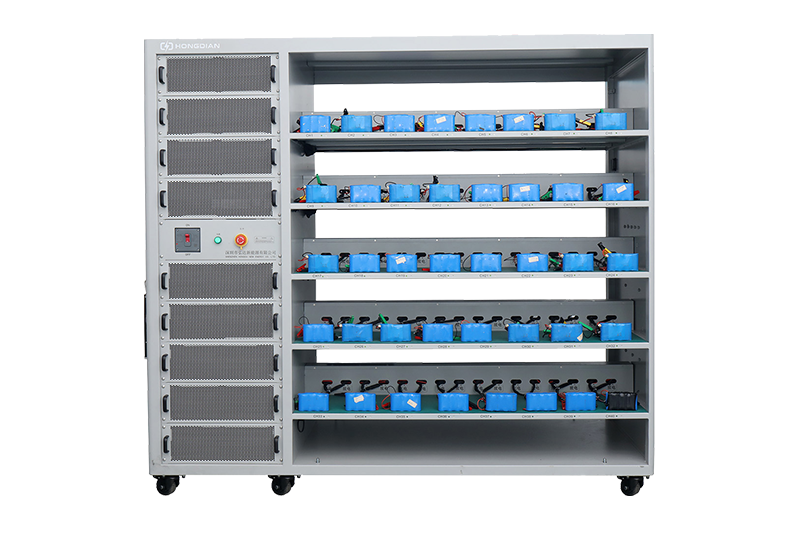 80 channel battery charging and discharging test integrated battery cabinet
 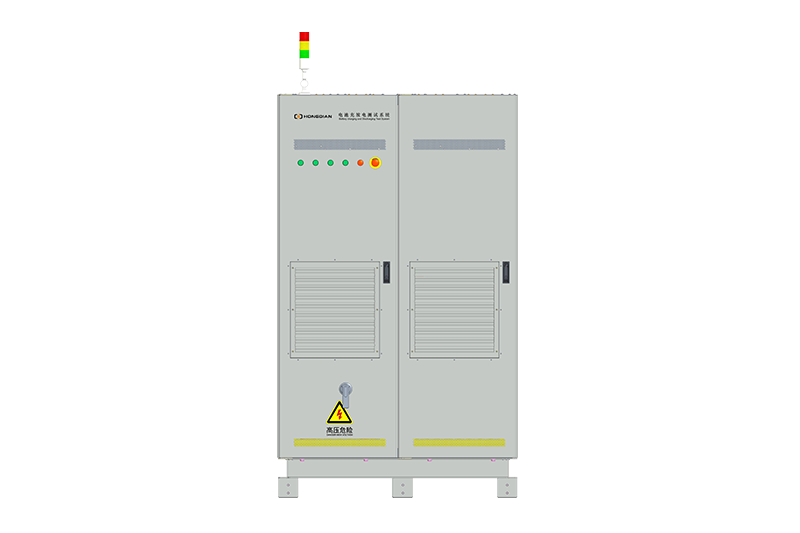 1000V-1500V High Voltage High Current Battery Testing System
 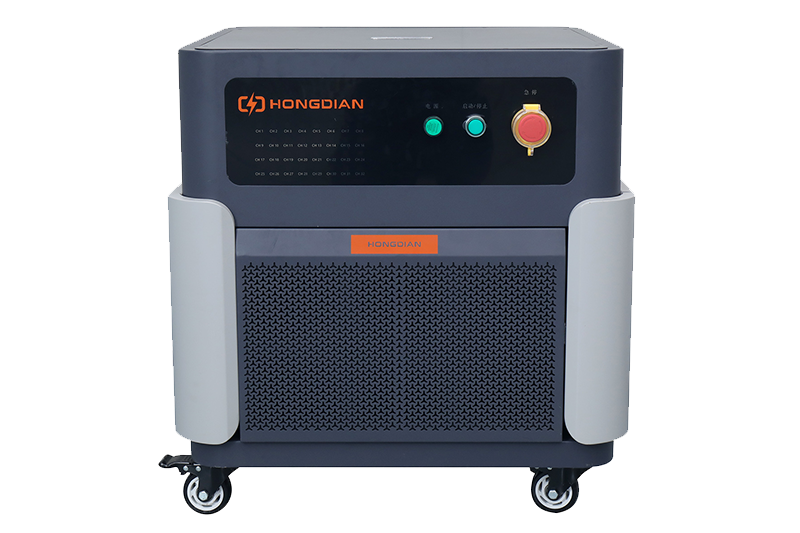 High-Precision Battery Testing System for Enhanced Performance Monitoring 30V/60V/100V/120V
 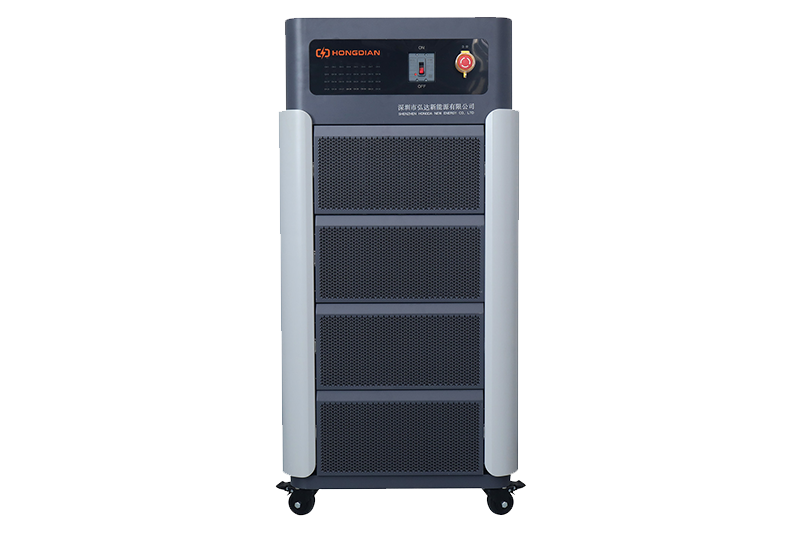 High-Precision Battery Charge Discharge Test Systems for EV Manufacturers
 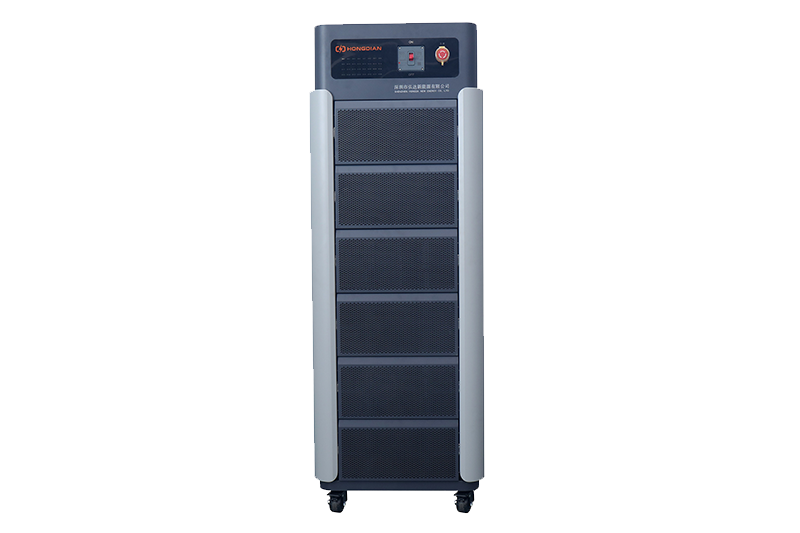 Precision Battery Test Racks for Cell Capacity & Internal Resistance Measurement
 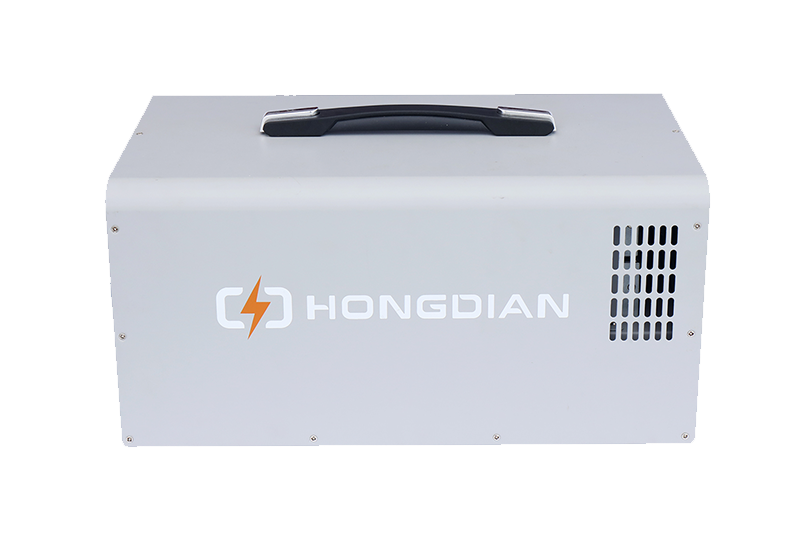 Multi-Channel Battery Testing Equipment for Parallel Performance Analysis