request to quote
Leave Your Message
0%

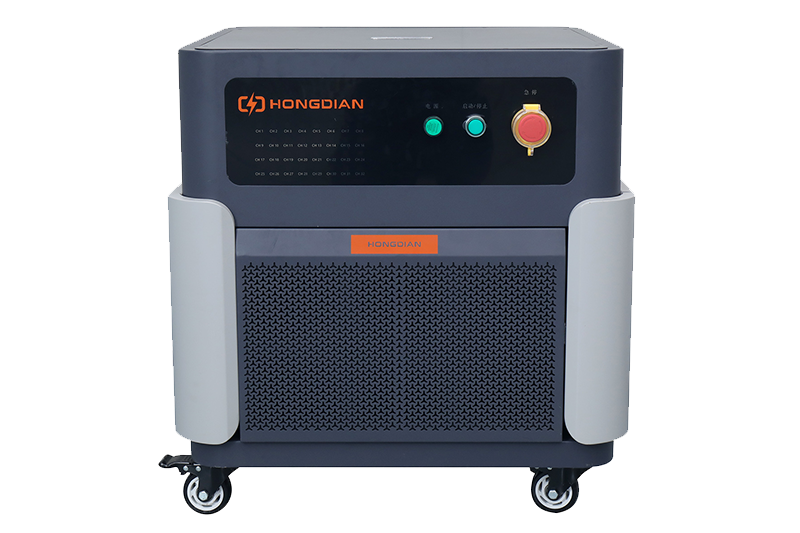
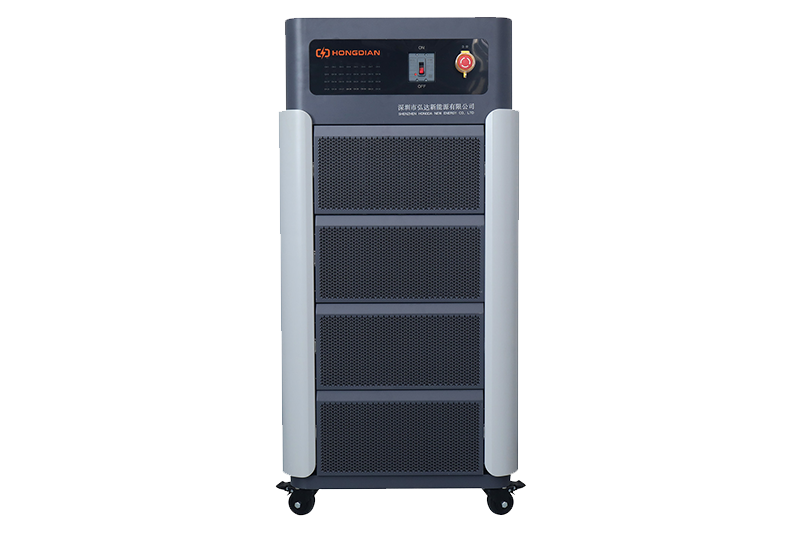
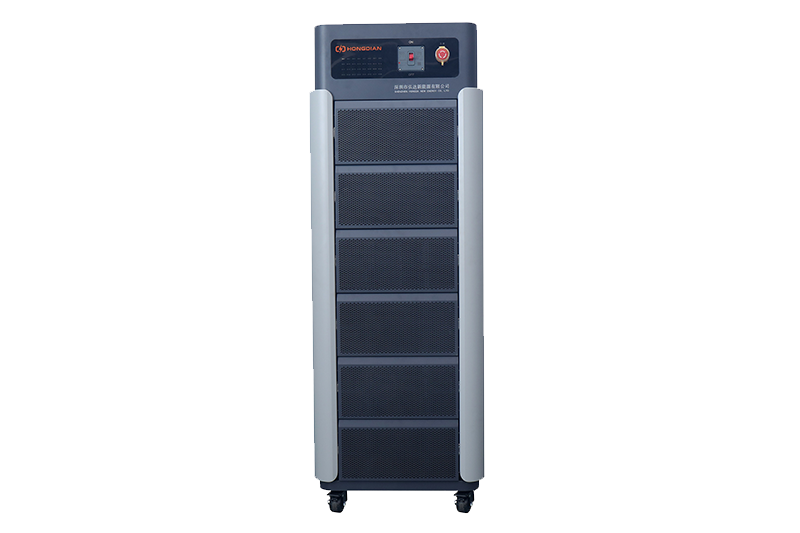
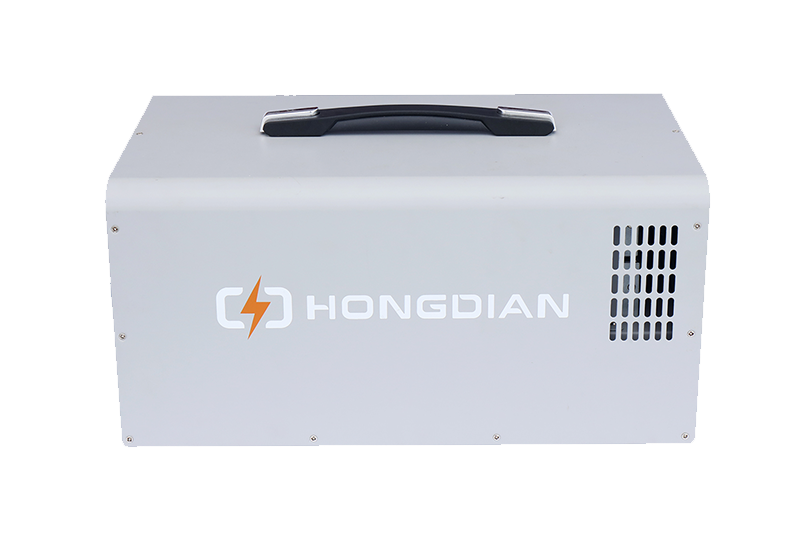
In today’s fast-changing energy world, having a reliable Uninterruptible Power Supply (UPS) system is super important—like, you really can’t overlook it. A recent report from Allied Market Research even predicts that by 2026, the global UPS market could hit a whopping $21.7 billion! This just goes to show how much industries are craving uninterrupted power. And you know what? The efficiency and reliability of these UPS systems rely a lot on their batteries. So, getting the testing right is essential. That’s where the Ups Battery Tester comes in, playing a crucial role by helping companies keep an eye on battery health and spot any potential issues before they become real problems.

Shenzhen Hongda New Energy Co., Ltd. is a key player here, known for its focus on quality and innovation. They’ve been providing solutions that really cater to the ever-changing power needs of more than a thousand customers around the globe. Plus, using advanced testing methods can really boost the lifespan and reliability of UPS systems, making sure that businesses keep running smoothly, even when power outages threaten to throw a wrench in the works.

Testing UPS Battery Performance: Understanding the Critical Importance of Regular Assessments

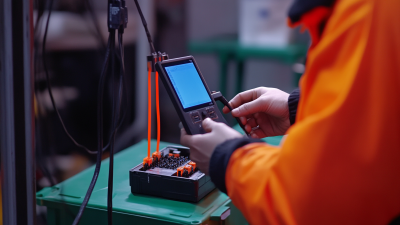
Solutions for Accurately Testing Your UPS Battery Performance Worldwide You know, keeping an eye on how well your UPS batteries are performing is super important if you want your power backup systems to be reliable and last longer. These days, we all depend on a steady power supply—whether it’s in businesses or factories. So, figuring out how your UPS batteries hold up in different situations becomes a must. Regular check-ups can help you spot any potential issues and assess the overall health of your batteries. This way, you can take care of maintenance and replacements on time, which can really save you from sudden power outages.
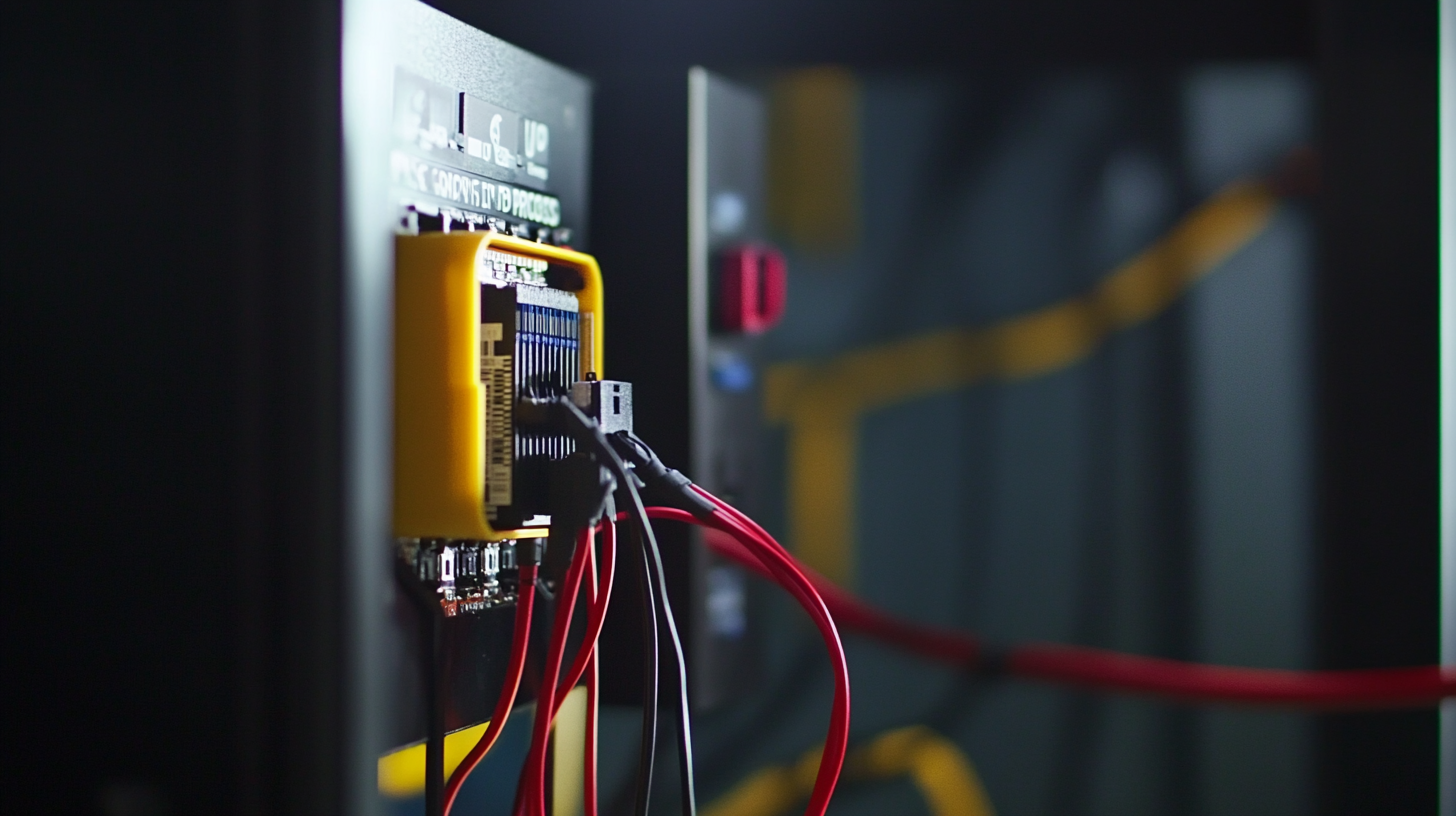
And it’s interesting to note that testing methods and protocols vary pretty widely across the globe. That’s why it's smart to follow practices that not only meet international standards but also take into account local specifics. By setting up a solid routine for testing, businesses can boost their resilience, which means less downtime and fewer risks. Plus, combining a regular testing schedule with advanced monitoring tools makes sure companies are staying ahead of the game rather than waiting to react. This approach really helps protect critical operations from unexpected power failures.

The Role of Advanced Technologies in Enhancing UPS Battery Testing Accuracy

You know, in today’s world where technology is changing faster than ever, keeping Uninterruptible Power Supply (UPS) battery performance reliable is really a big deal for businesses all around the globe. With all these advanced technologies at our fingertips, we can do a much better job at testing these batteries, spotting potential issues before they blow up into big problems. Stuff like real-time monitoring systems, data analytics, and automated testing protocols have really shaken things up, making battery health assessments not just more accurate, but way more efficient too. This means longer battery lifecycles and way less downtime, which is a win-win for everyone.

Here at Shenzhen Hongda New Energy Co., Ltd., we totally get how critical these technologies are when it comes to providing reliable energy solutions. Since we kicked things off, we’ve grown to serve a really diverse group of clients across various countries and regions. By weaving advanced testing methods into what we do, we make sure that the UPS systems we offer live up to the highest performance standards. Our focus on getting Battery Testing just right shows how committed we are to giving over a thousand customers solid energy solutions, helping them keep their operations running smoothly in a world that relies more and more on energy every day.

Solutions for Accurately Testing Your UPS Battery Performance Worldwide

Key Performance Indicators (KPIs) for Evaluating UPS Battery Health Effectively

You know, Key Performance Indicators, or KPIs for short, are super important when it comes to getting a good grip on how healthy Uninterruptible Power Supply (UPS) batteries are. These measurable metrics can really help organizations spot potential issues before they blow up into bigger problems, so their UPS systems can stay reliable and efficient. Typical KPIs that folks look at for UPS battery performance include things like discharge time, voltage levels during both charging and discharging cycles, temperature readings, and the total cycle count. By keeping a close eye on these indicators, maintenance teams can jump in early to boost battery life and effectiveness, especially where it really matters.

On a global scale, using standardized KPIs helps ensure everyone’s on the same page when evaluating across different regions and setups. This kind of consistency makes it way easier to compare and benchmark, which in turn drives improvements in UPS battery management all over the world. Organizations can tweak their strategies based on these KPIs, using data analytics to get the most out of battery performance and to predict what they’ll need down the line. As the demand for a reliable power supply keeps increasing, having a solid framework for KPIs is essential for keeping battery health in check and maintaining operational integrity.

Global Trends: Battery Failure Statistics and Their Implications for UPS Systems

You know, as we keep leaning more on uninterruptible power supply (UPS) systems around the world, it’s pretty important to get a handle on battery failure statistics. Recent studies show that almost 30% of UPS failures are because of battery problems—yikes! That stat really highlights why regular maintenance and performance testing are key. With technology changing so fast, the batteries we use in UPS systems are also changing. Take lithium-ion batteries, for instance; they’re popping up more and more, but they bring their own unique issues like being sensitive to temperature and having specific charging cycles.

The fallout from these battery failures can be pretty serious, especially in crucial settings like data centers and hospitals, where any downtime could lead to major data loss or even put patient safety at risk. It’s so important for organizations to have thorough testing solutions in place to really gauge battery performance and lifespan. By doing this, they can take proactive steps to replace or fix batteries before they actually fail, which can keep that power flowing and boost the reliability of UPS systems all over the globe. Plus, investing in solid battery management systems can really help spot potential problems before they blow up, keeping operations running smoothly even with the pressure of global demands.

Harnessing Data Analytics for Proactive UPS Battery Maintenance and Testing

You know, in our fast-moving digital age, having reliable Uninterruptible Power Supplies (UPS) is super important. That really makes testing battery performance a must! So, here's where data analytics comes in—it’s like a game-changer for keeping an eye on UPS battery maintenance and testing. With some advanced data analytics tools at their fingertips, companies can track battery health in real-time. This means they can get essential insights about performance trends and even spot potential failures before they actually happen.

By continuously collecting and analyzing data, organizations can pick up on patterns that might show their UPS systems are starting to go downhill or behaving strangely. This proactive style of maintenance not only helps batteries last longer, but it also cuts down on costs related to unexpected downtime. Plus, with predictive analytics, businesses can fine-tune their maintenance schedules based on the real performance data they’ve gathered. This ensures they’re using resources wisely, keeping those UPS systems running smoothly even when it really counts.

When companies start adopting these data-driven strategies, they can switch from just reacting to problems to a more proactive maintenance approach. This way, they can boost the reliability and efficiency of their power management solutions, allowing them to focus on what they do best without the constant worry of power outages. Embracing these kinds of technologies could really change the game for how businesses manage UPS battery maintenance and performance testing all around the world.

Best Practices for Implementing a Robust UPS Battery Testing Regimen Worldwide

So, when you think about keeping your uninterruptible power supply (UPS) systems in tip-top shape, having a solid battery testing routine is super important. Companies like Shenzhen Hongda New Energy Co., Ltd. really get that there’s a worldwide demand for reliable power solutions. They’ve helped over a thousand customers all over the place, which is pretty impressive, right? Now, if you want your UPS batteries to perform their best, you’ve got to do regular testing. That means not just taking a quick glance, but also really assessing how they hold up under load conditions. You'll want to check things like voltage, capacity, and discharge times—these are crucial for figuring out how healthy the battery is and spotting any potential failures before they happen.

For effective UPS battery testing, it’s a good idea to plan your tests during off-peak hours to keep interruptions to a minimum. Plus, using automated systems can provide you with more accurate readings. And hey, creating a thorough testing log is a smart move! It can help you keep an eye on performance over time and spot any trends that might need you to take action, like maintenance or even replacing the battery. Hongda isn't just about selling products; they’re all about innovation and support to help you keep your batteries running smoothly. By sticking to a structured testing routine, businesses can really boost their UPS reliability all around the globe.

Solutions for Accurately Testing Your UPS Battery Performance Worldwide

Testing Method Frequency Duration Tools Required Expected Outcome
Load Testing Quarterly 1-2 hours Load bank, multimeter Confirm battery capacity
Visual Inspection Monthly 30 minutes Visual check tools Identify physical issues
Voltage Testing Bi-monthly 1 hour Multimeter Check terminal voltage
Capacity Testing Annually 2-6 hours Automatic battery analyzer Full discharge cycle results
Temperature Monitoring Continuous N/A Thermal sensors Prevent overheating issues

FAQS

: Why are regular assessments of UPS battery performance important?

: Regular assessments are crucial for ensuring the reliability and longevity of power backup systems, helping to identify weaknesses and gauge overall battery health, which prevents unexpected outages.

What methods can organizations use to assess their UPS battery performance?

Organizations should adopt systematic testing methods that align with international standards, considering regional nuances, to enhance operational resilience and minimize downtime.

What are some common Key Performance Indicators (KPIs) for evaluating UPS battery health?

Common KPIs include discharge time, voltage levels during charging and discharging cycles, temperature readings, and the overall cycle count.

How do KPIs assist in UPS battery maintenance?

KPIs help organizations identify potential issues before they escalate, allowing maintenance teams to take proactive measures to enhance battery life and effectiveness.

What best practices should be implemented for UPS battery testing?

Best practices include scheduling tests during low usage times, utilizing automated systems for accurate readings, and maintaining a comprehensive testing log to track performance over time.

How can businesses improve their UPS systems' reliability?

By prioritizing a structured testing regimen and conducting regular testing of batteries, businesses can significantly enhance the reliability and efficiency of their UPS systems.

What role does data analytics play in UPS battery management?

Data analytics allows organizations to optimize battery performance by tailoring their strategies based on KPI metrics and anticipating future needs.

Why is it important to conduct visual inspections along with performance assessments?

Visual inspections help identify obvious physical issues, while performance assessments under load conditions determine the actual health and capacity of the battery.

How can a comprehensive testing log benefit UPS battery management?

A comprehensive testing log helps track battery performance over time, allowing organizations to identify trends and determine when proactive maintenance or replacement is necessary.

What is the significance of scheduling testing during low usage times?

Scheduling tests during low usage times minimizes disruptions to operations, allowing for more accurate performance assessments without impacting business activities.

Lila

Lila

Lila is a dedicated marketing professional at Shenzhen Hongda New Energy Co., Ltd., where she has become an integral part of the company’s growth and outreach. Since its inception, Hongda New Energy has rapidly expanded its business, successfully serving over a thousand clients and establishing a......
Previous Unlock Global Opportunities with Acid Battery Testers at the 137th Canton Fair