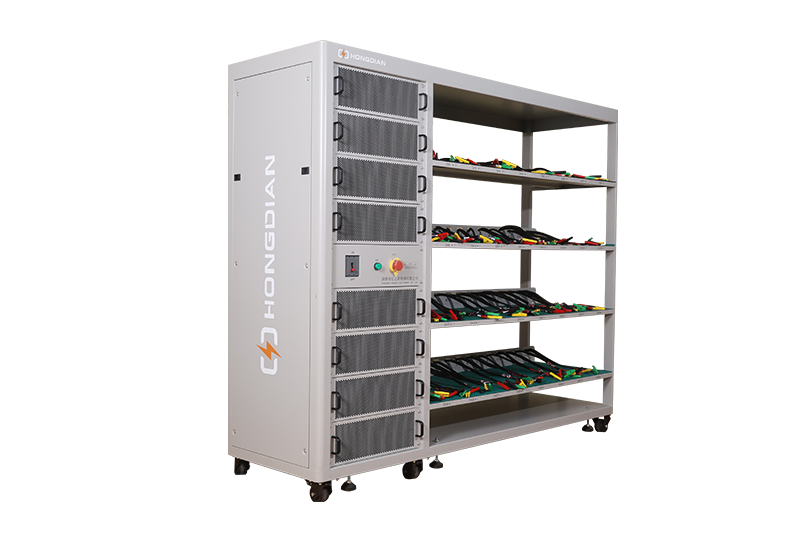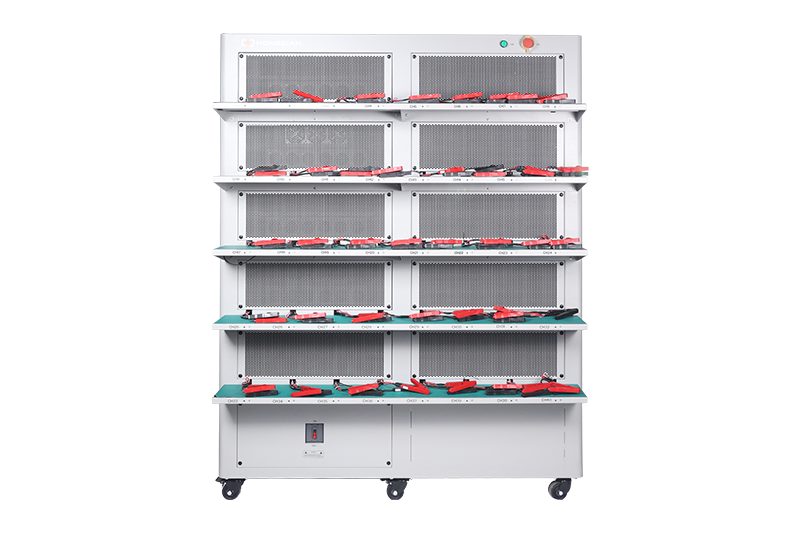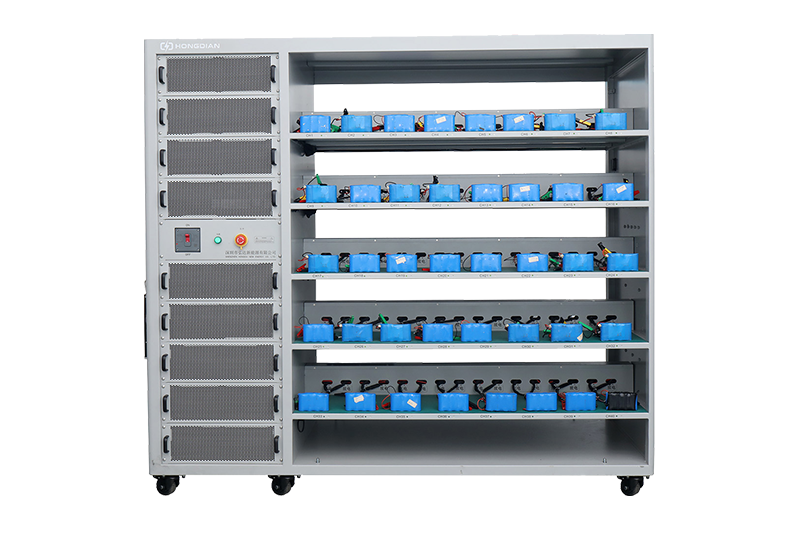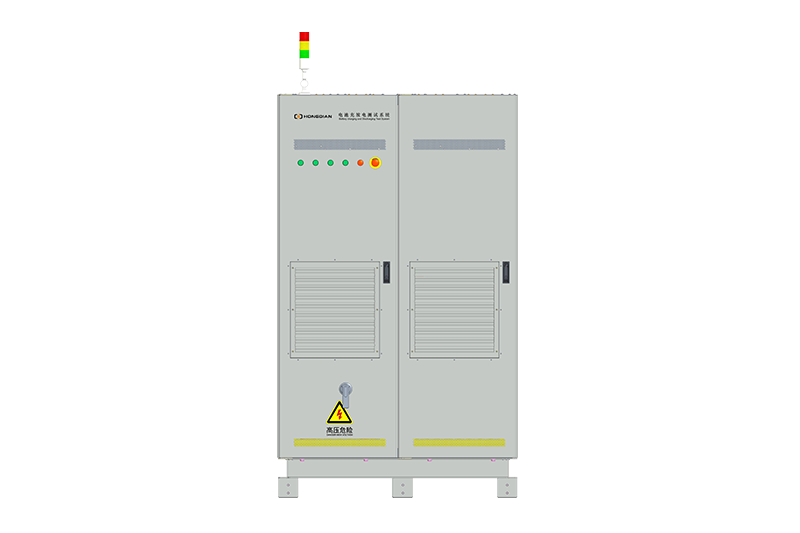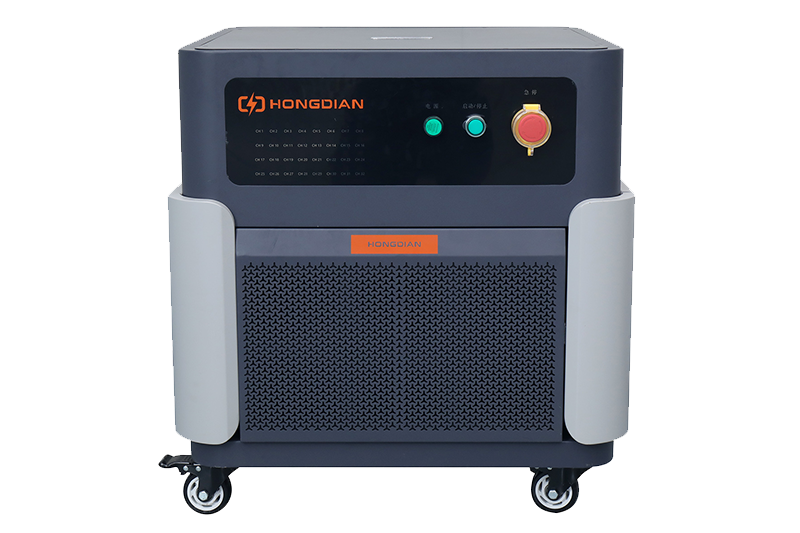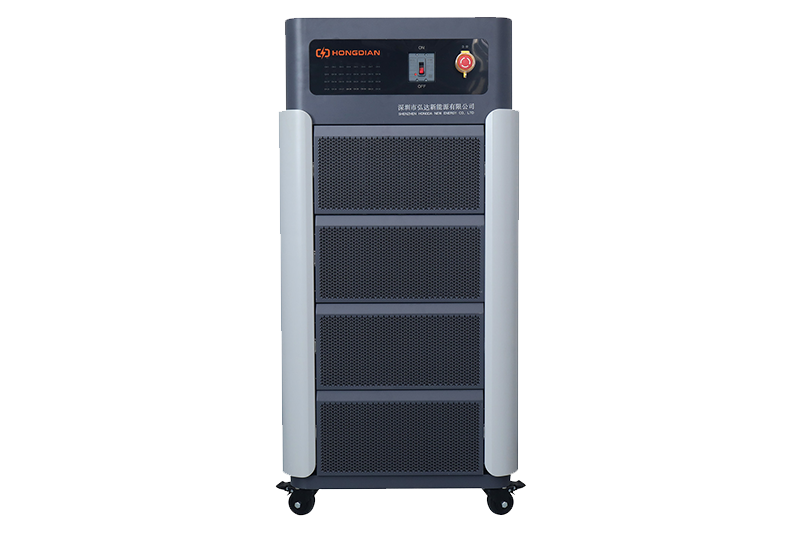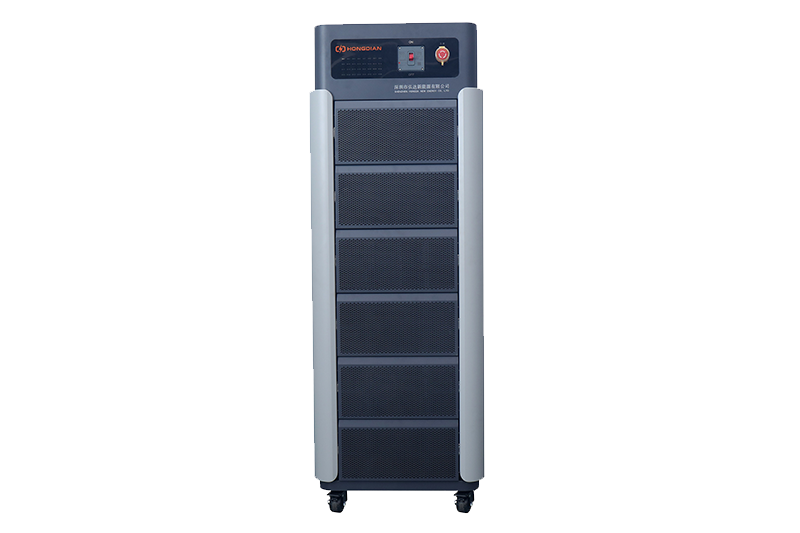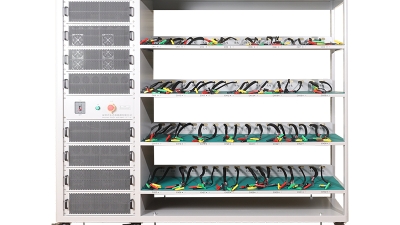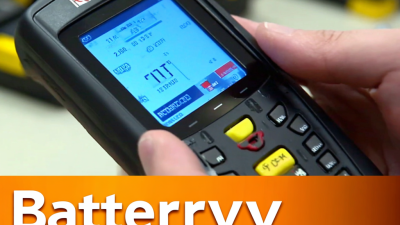
32/48 channel battery charging and discharging test integrated battery cabinet
40 channel battery charging and discharging test integrated battery cabinet
64 channel battery charging and discharging test integrated battery cabinet
80 channel battery charging and discharging test integrated battery cabinet

You know, the value of having a top-notch Battery Load Tester really can’t be emphasized enough, especially nowadays when energy efficiency and reliability are such big deals in our everyday lives. Here at Shenzhen Hongda New Energy Co., Ltd., we totally get how important it is to have accurate testing tools. They help us ensure that batteries are performing at their best across a bunch of different uses. Ever since we started out, we've been on a roll, expanding our business and happily serving over a thousand customers, not to mention setting up sales networks in lots of countries around the globe.
Trust me, investing in a quality Battery Load Tester is key for checking battery health and avoiding those nasty surprise failures, whether you’re using it for personal projects or commercial purposes. In this blog post, we’re going to dive into why picking the right battery load tester for your specific needs is so important, so you can make solid choices that really fit your energy needs.
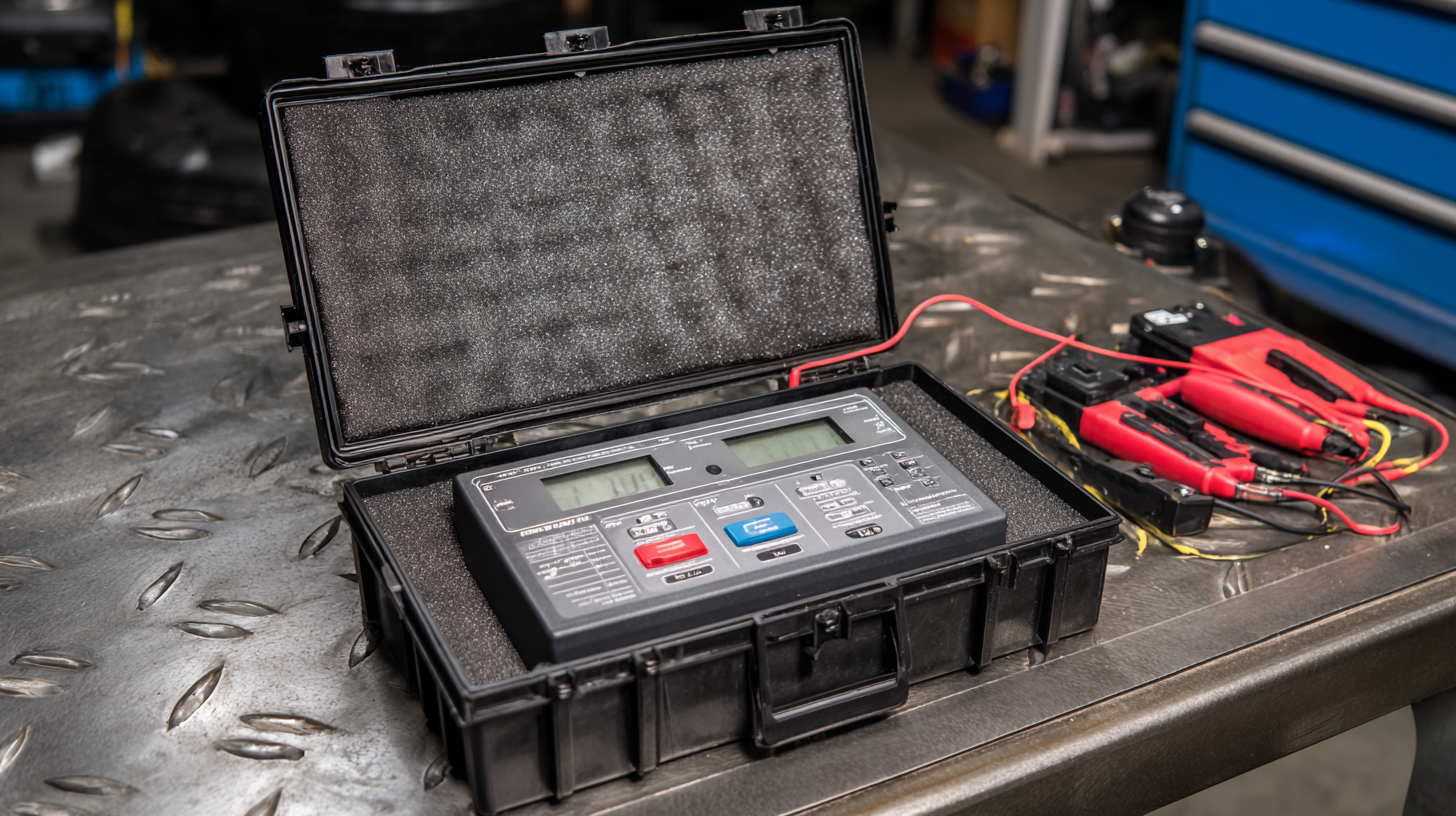
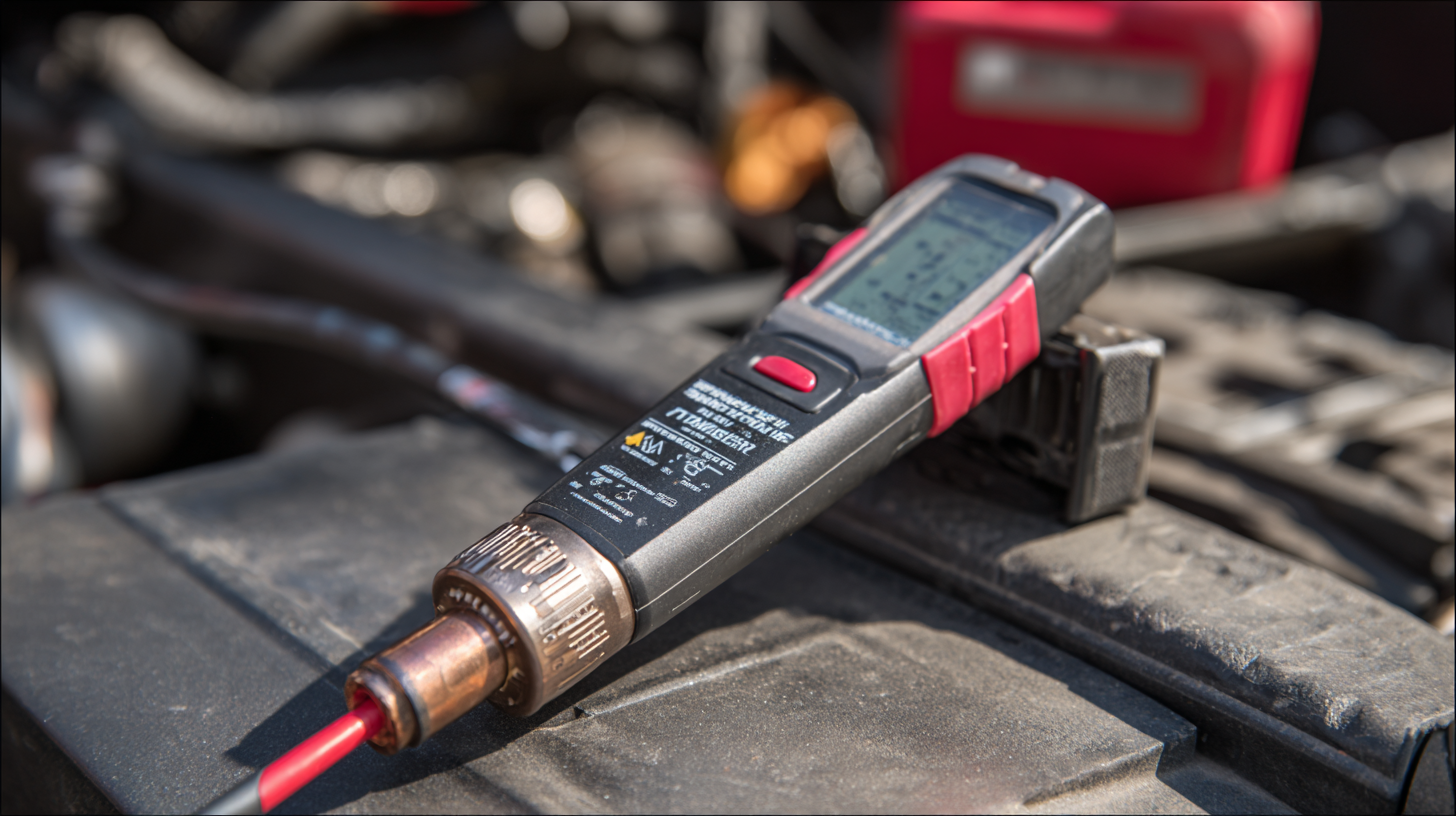
You know, battery load testers are really important for keeping batteries in good shape, especially when it comes to cars and all sorts of equipment. So, what these testers do is basically mimic real-life situations. They put a specific load on the battery and check how it performs. This isn't just about figuring out how much juice the battery has left; it also helps spot any hidden problems that could mess with its lifespan. If you use a load tester regularly, you can catch potential failures before you end up with a totally dead battery. Trust me, it’s a handy tool for staying ahead of the game when it comes to maintenance.
Plus, getting a good grasp on how to use a battery load tester can really boost your decision-making skills. Different batteries call for different testing techniques, and knowing the right way to go about it can lead to much more accurate results. When you invest in a solid battery load tester, you’re not just getting a tool; you’re getting valuable insights into your battery's health, which is crucial for keeping things running smoothly and safely every day. Whether you’re doing this for your own car or handling it in a professional setting, using a battery load tester is definitely a smart move towards making sure your battery performs at its best and lasts longer too.
When you're on the hunt for a battery load tester, there are some really important features that'll make a big difference in how well it performs and how reliable it is. First off, you definitely want a tester that has a wide load range. This is super handy because it means it can handle everything from car batteries to those hefty deep-cycle ones. Ideally, a solid tester should be able to put a load on the battery that's about half of its cold cranking amps (CCA) for 15 seconds. That gives you a pretty good idea of how the battery holds up under stress, right?

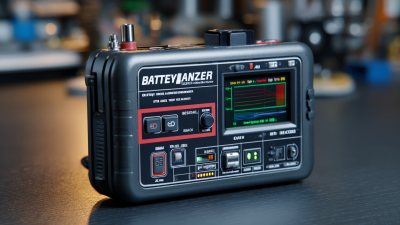
Another thing to keep in mind is having a digital display. You want to be able to read those test results without squinting! A backlit display is a real lifesaver, especially if you're working in low-light situations. Oh, and if you can find a tester with a built-in printer or some sort of data-logging feature, that's even better! It makes it super easy to keep track of all your tests and helps you make smart choices about whether a battery needs maintenance or it's time for a replacement. Don't forget about durability either; testers that are built tough will last a lot longer, especially if you’re using them a lot in a professional setting. All in all, these features can really give you a thorough look at how well a battery's performing, making your investment totally worth it.
So, if you want your batteries to perform well and last a long time, picking out the right battery load tester is super important. You know, there’s this report from the Battery Council International that says around 30% of battery failures happen because they just weren't taken care of properly. A good load tester is like your battery's best friend — it helps you see how your battery is doing when it’s under stress, which is key to spotting problems before they turn into a total meltdown. When you’re shopping around for a load tester, don’t forget to check its amp rating. Most car batteries do well with testers that can handle between 300 and 1000 amps to give you an accurate read on things.
Also, keep an eye out for features like digital displays and safety measures built right in. The International Electrotechnical Commission suggests using testers that show clear and simple data because this can really help avoid those pesky misinterpretations that could mess up how we diagnose battery issues. Plus, if you can get one with temperature compensation, that’s a bonus; battery performance can change a lot with temperature swings. By shelling out for the right battery load tester, you’re not just playing it safe — you’re also cutting down on the hassle and costs that come with replacing batteries or calling for roadside help.
You know, regularly testing your batteries with load testers is super important if you want to keep them reliable and performing well. As time goes by, batteries tend to lose their ability to hold a charge, and honestly, that can really catch you off guard when you need power the most. By checking your batteries with a load tester every so often, you can get a clear picture of their health and how they handle different loads. This little proactive habit not only helps you spot those weak batteries before they cause a headache, but it can also extend their life by catching problems early on.
Plus, load testing isn't just about the batteries – it can give you a peek into how well your charging system is doing too. When you test those batteries under load, you might uncover issues like loose connections or a failing alternator. This kind of info is super valuable for keeping everything running smoothly, especially in crucial setups like cars or renewable energy setups. So, making it a point to regularly test with a load tester can really help you make smarter decisions about when to replace batteries or do some maintenance – saving you a ton of time and avoiding those annoying unexpected downtimes.
When you’re using a battery load tester, it’s super important to dodge those common mistakes so you get accurate readings and can really extend the life of your battery. One big slip-up is not charging the battery fully before you run the test. You won’t believe it, but according to the Battery Council International, more than 30% of batteries end up being undercharged during regular checks, which totally messes with the test results. So, make sure that battery is topped off! Not only does this boost the reliability of your test, but it also keeps you from having to replace the battery unnecessarily.
Another thing to watch out for is ignoring the manufacturer’s instructions about how long to apply the load. The Society of Automotive Engineers says you should really aim for a testing duration of about 15 seconds. Going too long can actually harm the battery or give you some bogus readings. Oh, and keep an eye on the voltage drop during your test; if it drops more than 0.1 volts, you might have some issues brewing.
**Quick tip:** Don’t forget to regularly check your testing equipment and make sure it's calibrated right. A tester that’s off can lead to all sorts of wrong results, which means you might think a battery needs replacing when it actually doesn’t.
**Another tip:** It’s a good idea to keep a log of your battery tests and the results. This way, you can spot any patterns that pop up and make smarter decisions about battery replacements down the line. Plus, it’ll help you save some time and cash in the long run!
The advent of the 64 Channel Battery Charging and Discharging Test Integrated Battery Cabinet marks a significant advancement in energy storage technology. This system not only facilitates comprehensive testing but does so while adhering strictly to industry standards. According to the latest reports from the International Energy Agency (IEA), the global market for energy storage is expected to reach 550 GWh by 2030, underscoring the necessity for precise and efficient testing systems like this one. By leveraging a computer-controlled energy feedback power testing framework, manufacturers can gain a deeper understanding of battery efficiency, lifespan, and performance metrics, which are critical for optimizing energy management solutions.
Moreover, the integration of advanced metrics within this system enables real-time data collection during both charging and discharging processes. As highlighted in research by the Electric Power Research Institute (EPRI), accurate testing environments can improve battery cycle life by up to 30%. This innovation is particularly vital for industries striving for sustainability. For instance, electric vehicle manufacturers can significantly decrease time-to-market by utilizing these metrics to evaluate battery performance swiftly. The evolution of such Battery Testing systems not only adheres to the rigorous standards set forth by organizations like the Society of Automotive Engineers (SAE) but also enhances the reliability of energy storage technologies in various applications, from grid support to portable electronic devices.
: Look for a wide load range, a digital display (preferably backlit), built-in printer or data-logging capability, and robust housing for durability.
Regular testing helps ensure battery reliability and performance, identifies weak batteries before failures occur, and can extend battery lifespan by detecting issues early.
Load testing can reveal irregularities in the charging system, such as poor connections or failing alternators, which is critical for maintaining optimal performance.
One common mistake is failing to fully charge the battery before testing, which can lead to misleading results.
You should apply a load for 15 seconds, as recommended by the Society of Automotive Engineers, to avoid damaging the battery and ensure accurate readings.
A voltage drop of more than 0.1 volts can indicate issues with the battery.
Regularly check the calibration status of your tester and maintain the equipment to ensure accurate results.
Keeping a log helps identify patterns over time, leading to better decisions on battery replacements and maintenance, ultimately saving time and money.