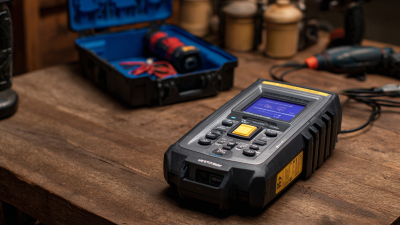
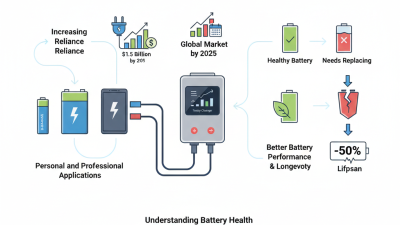
In today’s fast-changing world of battery tech, figuring out who makes the best Lithium Battery Testers is more important than ever. Industry veteran John Smith, a senior engineer at Battery Innovations, points out, “The quality of testing gear makes a huge difference in how well batteries perform.” As more folks look for custom solutions, it’s really key to understand what to watch for when choosing a trusted manufacturer.
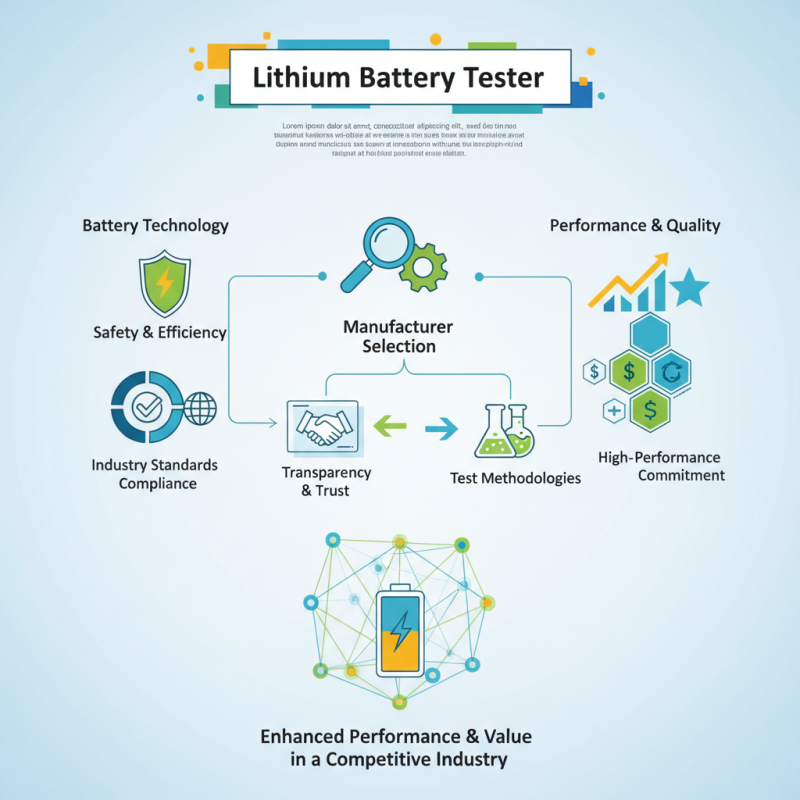
A Lithium Battery Tester isn’t just some gadget — it’s really about making sure everything’s safe and running smoothly. Still, a lot of buyers overlook how crucial certifications are. Those official stamps of approval show that a product meets industry standards and keeps safety in check. Manufacturers need to be upfront about how they test and their processes — it’s all about building trust and making sure customers get quality gear.
With so many options out there, not every supplier meets the mark. Sure, tons of brands claim they've got top-tier products, but in reality, the quality can be hit-or-miss. Buyers need to stay sharp. Going for manufacturers who genuinely care about quality can really pay off. Because when testing is thorough, the batteries perform better — that’s where real value shows up, especially in such a competitive market.
Understanding CE Certification: Importance for Lithium Battery Testers
CE certification plays a critical role for manufacturers of lithium battery testers. It ensures that products meet safety and environmental standards. This certification is crucial for gaining customer trust. Customers feel more secure when they see CE marks on products. Each mark indicates that the product has undergone rigorous testing.
When selecting a manufacturer, consider their certification process. Understanding how a Lithium-Ion Battery Tester meets CE standards is key. Look for transparency in their testing procedures. A reputable manufacturer should easily provide certificates and test reports. This transparency helps avoid unexpected issues down the line.
Tip: Always ask the manufacturer for their CE certification documents. Verify them with the issuing authority. It protects you from future legal complications.
Another important aspect is post-certification support. Make sure the manufacturer offers assistance following the initial sale. You want someone who values ongoing communication. If there's a defect or a question arises, support without hesitation is vital. This will ensure your Lithium-Ion Battery Tester operates effectively and safely.
Key Features to Look for in Lithium Battery Testers
When choosing a lithium battery tester, certain key features are crucial. First, precision in measurement is essential. The accuracy rate of high-quality testers can exceed 99%. This level of precision ensures reliable data for battery performance.
Another important feature is the testing range. A versatile tester should measure various voltages and capacities. Many lithium battery testers offer a range from 1 to 100 volts. This flexibility enables testing different battery types efficiently. Users might struggle if their tester has limited capabilities. Such limitations can hinder evaluating multiple battery models.
Safety is also a significant concern. Look for testers with built-in protection against overcharging and short circuits. Reports indicate that over 30% of battery failures result from improper testing techniques. Choosing a tester with safety features minimizes this risk. Make sure to consider these aspects, as they can affect performance and safety dramatically.
Overview of China’s Leading Lithium Battery Tester Manufacturers
China has become a hub for lithium battery tester manufacturing. Leading manufacturers specialize in developing advanced testing equipment tailored for lithium batteries. According to market reports, the lithium-ion battery testing market is expected to reach $3.5 billion by 2025. This growth is driven by the increasing demand for electric vehicles and renewable energy solutions.
When looking for a manufacturer, consider their technology and testing standards. Some companies excel in automated testing processes, reducing human error. Others focus on high-precision measurement techniques. These factors are crucial for safety and efficiency.
Tips: Assess the company's certifications and quality control measures. A manufacturer with ISO9001 or similar certifications indicates a commitment to quality.
Moreover, understanding the testing process is essential. Testing methods vary widely. Some methods include capacity testing, discharge testing, and cycle life testing. Each serves a unique purpose in ensuring battery reliability.
Tips: Stay updated on industry standards. Regular reviews of testing protocols can enhance product safety and performance.
Comparative Analysis of Lithium Battery Tester Technologies
When exploring lithium battery technologies, choosing the right Lithium Ion Battery Tester is essential. Various methods exist for testing battery performance. These methods can greatly influence accuracy and efficiency. Some testers focus on capacity, while others prioritize voltage stability. Each approach brings its advantages and limitations.
High-end testers often deliver detailed results but come with higher costs. Simpler models can be user-friendly, yet lack depth in data analysis. The technology behind these testers continues to evolve, but not all advancements translate to real-world improvements. It's crucial to assess your specific needs before selecting a tester.
Real-world applications show that battery testers can sometimes provide inconsistent results. Calibration issues may affect reading accuracy, leading to misguided conclusions. This inconsistency highlights the need for careful choice and evaluation of lithium battery testers available in the market.
Industry Standards and Regulations Impacting CE Certification
CE certification is vital for lithium battery testers in Europe. Industry standards ensure safety and efficiency. According to a report by the European Battery Alliance, the growing demand for lithium batteries has increased the need for compliance with rigorous standards. This includes directives on safety, electromagnetic compatibility, and chemical safety.
Regulations such as the Low Voltage Directive and RoHS Directive directly impact the design and testing of Lithium Battery Discharge Testers. Manufacturers must ensure their products meet these requirements. A failure in compliance can lead to costly recalls and damage to reputation. Some companies struggle with understanding these regulations fully, causing delays in product launches.
Testing processes must also evolve. The dynamic nature of the battery market requires ongoing updates to testing methodologies. Many manufacturers lack adequate resources to stay aligned with changing standards. This results in underperforming products that do not meet consumer expectations. Consequently, investing in a well-structured testing regime is crucial for success in this competitive landscape.
China Lithium Battery Tester Manufacturer Compliance with CE Certification
Quality Assurance Practices in Lithium Battery Manufacturing
In the realm of lithium battery production, quality assurance is crucial. Manufacturers often face challenges in meeting safety and performance standards. Each battery must undergo rigorous testing to ensure reliability. However, inconsistencies can still occur in materials or processes.
Effective quality assurance practices include thorough inspections of raw materials. These materials should meet specified standards before production begins. Small defects or variations can compromise battery performance. Manufacturers should also implement tests at various production stages. This proactive approach helps identify issues early on.
Tips: Regular staff training is key. Empowering workers with knowledge leads to better results. Documenting processes adds another layer of assurance. Regular reviews can spotlight potential weaknesses. Encourage a culture of continuous improvement throughout the organization.
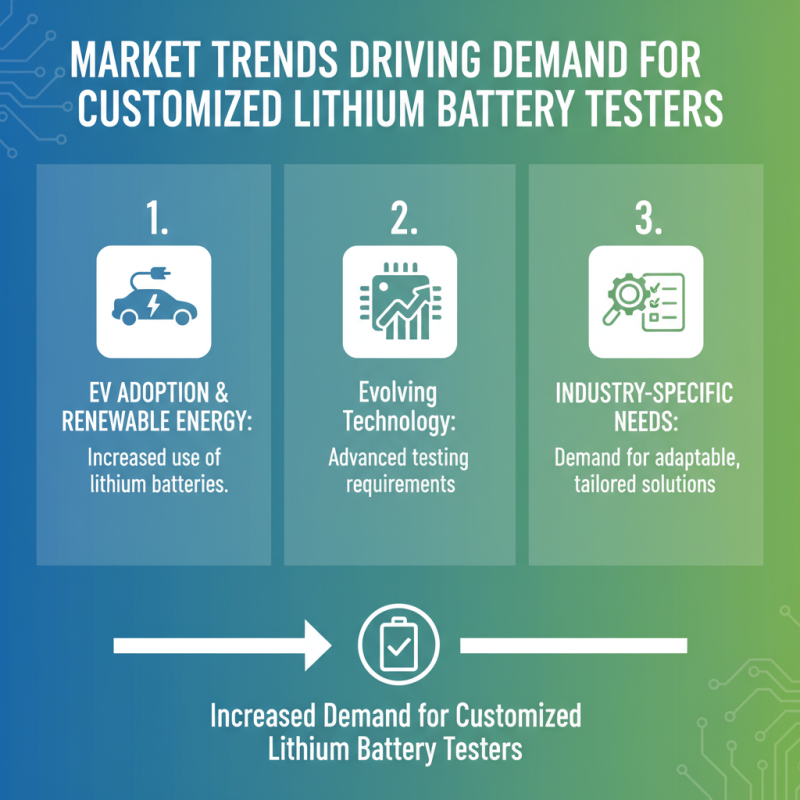
Market Trends Driving Demand for Customized Lithium Battery Testers
The market for customized Lithium Battery Testers is witnessing significant growth. This surge is driven by the increasing reliance on lithium batteries across various sectors. Industries like electric vehicles and renewable energy rely heavily on accurate testing. As technology evolves, so do testing requirements. Companies are seeking more adaptable solutions that meet their specific needs.
Customized lithium battery testers offer enhanced features to ensure efficiency and accuracy. These testers can provide real-time data on battery performance. Businesses appreciate the flexibility to tailor functions for their unique applications. However, the challenge lies in balancing customization with reliability. Some manufacturers struggle to keep up with demand. This may lead to inconsistencies in quality.
Emerging trends indicate a shift towards automated testing solutions. Automated lithium battery testers can improve workflow efficiency. Still, relying solely on automation raises concerns. Human oversight is essential for quality assurance. Companies should reflect on their processes to find the right balance. Investing in robust testing solutions is crucial for future success.
Comprehensive Guide to 40 Channel Battery Charging and Discharging Test Integrated Battery Cabinet Solutions
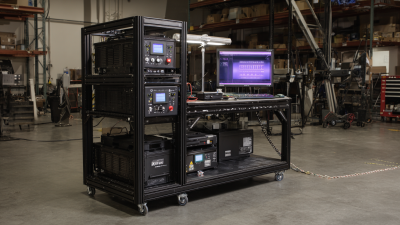
The integration of a 40-Channel Battery Charging and Discharging Test System represents a significant advancement in battery management technology. This comprehensive solution is meticulously designed to ensure both precision and reliability, making it ideal for various applications, from R&D to quality assurance. By enabling simultaneous testing of multiple batteries, it not only enhances efficiency but also significantly reduces the time required for evaluation.
One of the standout features of this integrated battery cabinet solution is its ability to deliver real-time data monitoring, which is crucial for maintaining optimal performance throughout the testing cycles. Users can effortlessly track critical parameters such as voltage, current, temperature, and capacity, all of which are thoroughly logged and stored for future analysis. This meticulous data management system empowers engineers and researchers with the insights they need to make informed decisions, optimizing battery design and performance effectively.
Moreover, the robust architecture of the 40-Channel Testing System offers seamless adaptability to various battery chemistries and configurations, further extending its usability across different sectors. With the ability to coordinate extensive testing protocols, this system assures that every product meets the highest standards of safety and efficiency, thereby enhancing the overall reliability of battery products in the market.
FAQS
: Look into their technology and testing standards. Automated processes can reduce errors. High-precision techniques enhance reliability.
Quality assurance ensures each battery meets safety and performance standards. It helps reduce inconsistencies during production.
Common tests include capacity testing, discharge testing, and cycle life testing. Each test serves to confirm battery reliability.
Thorough inspections of raw materials are vital. Early testing stages identify issues, minimizing defects before they affect performance.
Knowledgeable staff produces better results. Training ensures that workers are aware of the latest standards and processes.
Various industries increasingly depend on lithium batteries. They seek tailored testing solutions for improved accuracy and efficiency.
Automation enhances workflow efficiency. However, human oversight remains essential for maintaining quality standards.
Balancing customization with reliability can be difficult. Some may struggle to maintain consistent quality levels amid rising demand.
Regularly reviewing testing protocols helps improve safety and performance. Staying informed is crucial in a rapidly evolving market.
Small defects can slip through rigorous testing. It’s essential to document processes and continually improve to address these issues.
Conclusion
The article titled "China Best CE Certification Custom Lithium Battery Tester Manufacturer Guide" emphasizes the critical role of CE certification for lithium battery testers, highlighting its importance in ensuring safety and compliance with industry standards. It outlines key features to consider when selecting a lithium battery tester, such as accuracy, reliability, and adaptability to different battery types.
Additionally, the guide provides an overview of leading lithium battery tester manufacturers in China, accompanied by a comparative analysis of various tester technologies and their adherence to relevant regulations. The importance of quality assurance practices in lithium battery manufacturing is also discussed, alongside market trends that are increasing the demand for customized solutions in this field. By understanding these elements, manufacturers and consumers can make informed decisions when selecting the right lithium battery tester for their needs.

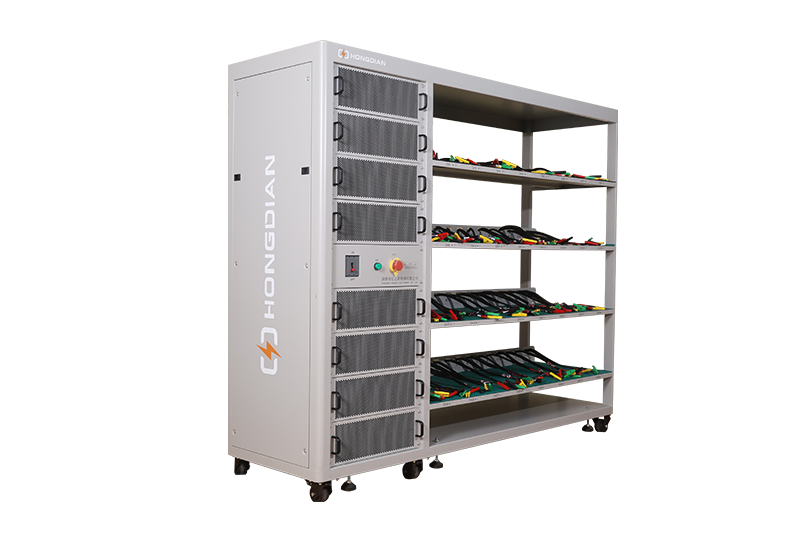 32/48 channel battery charging and discharging test integrated battery cabinet
 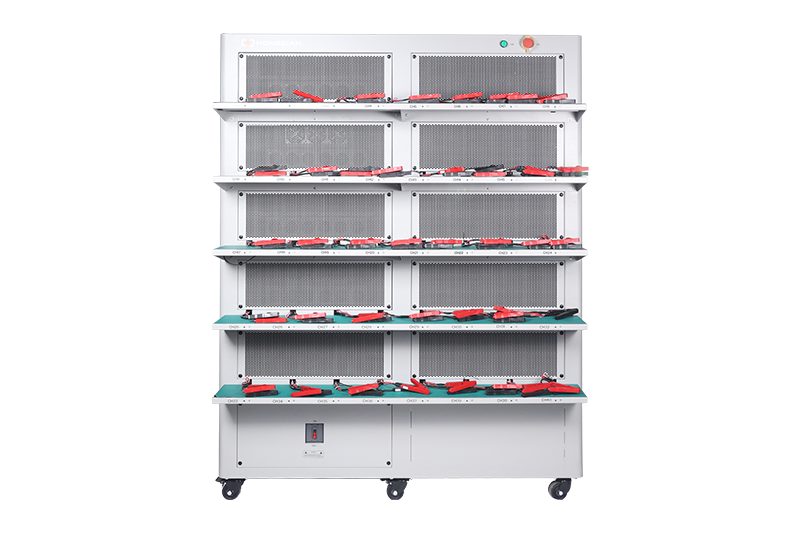 40 channel battery charging and discharging test integrated battery cabinet
  64 channel battery charging and discharging test integrated battery cabinet
 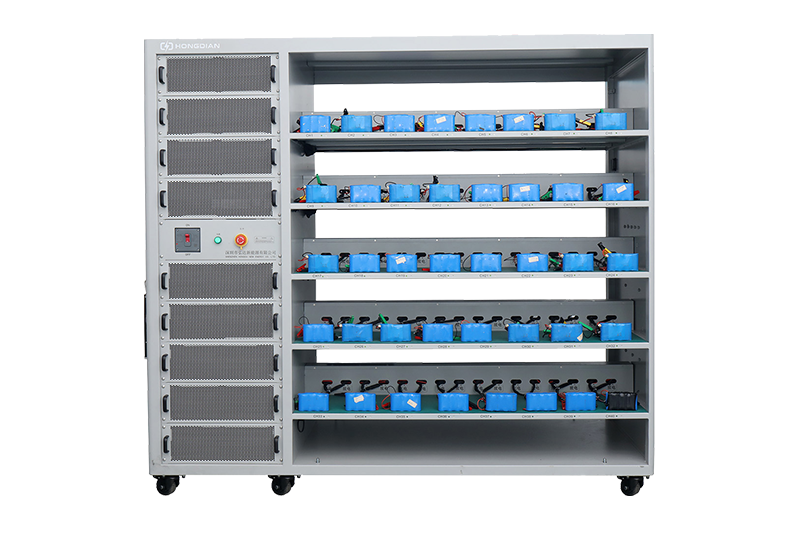 80 channel battery charging and discharging test integrated battery cabinet
 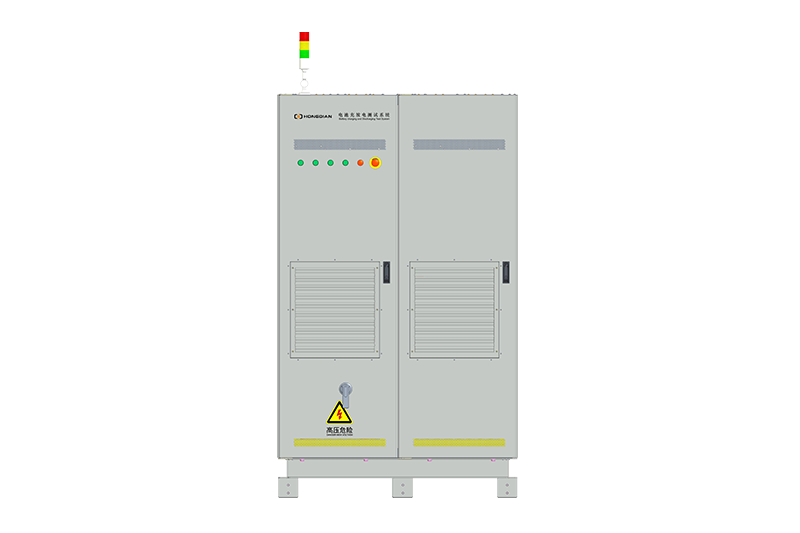 1000V-1500V High Voltage High Current Battery Testing System
 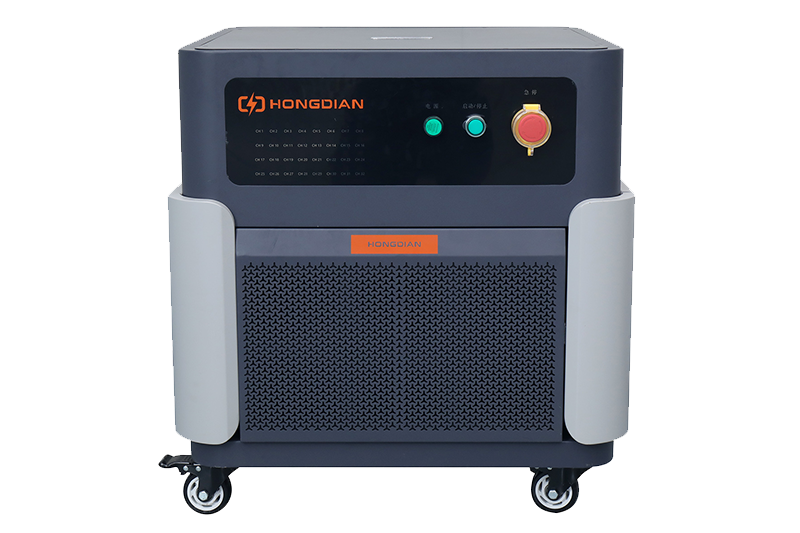 High-Precision Battery Testing System for Enhanced Performance Monitoring 30V/60V/100V/120V
 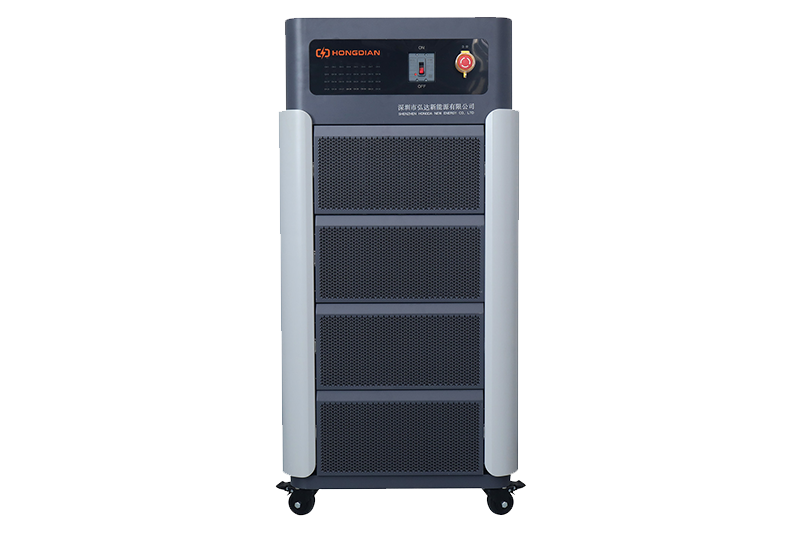 High-Precision Battery Charge Discharge Test Systems for EV Manufacturers
 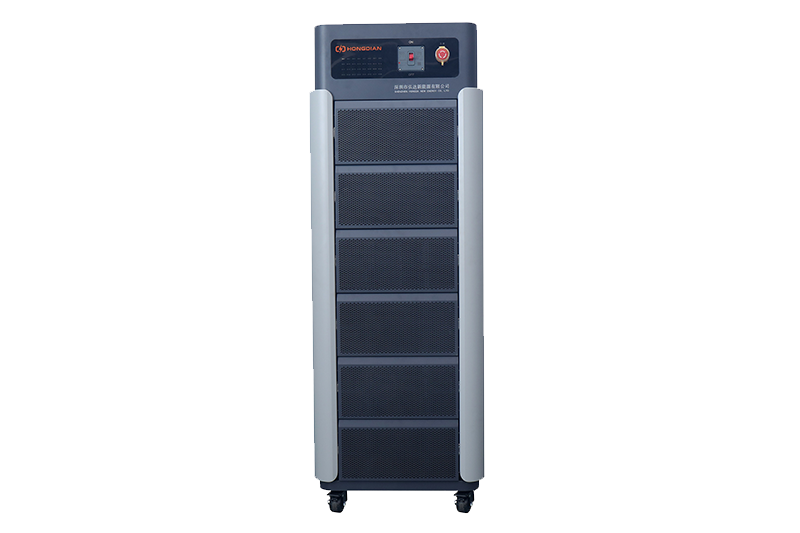 Precision Battery Test Racks for Cell Capacity & Internal Resistance Measurement
 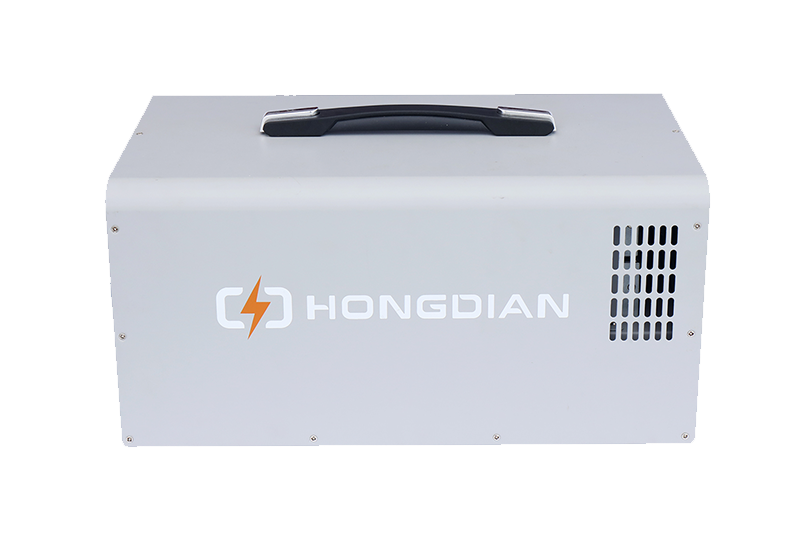 Multi-Channel Battery Testing Equipment for Parallel Performance Analysis