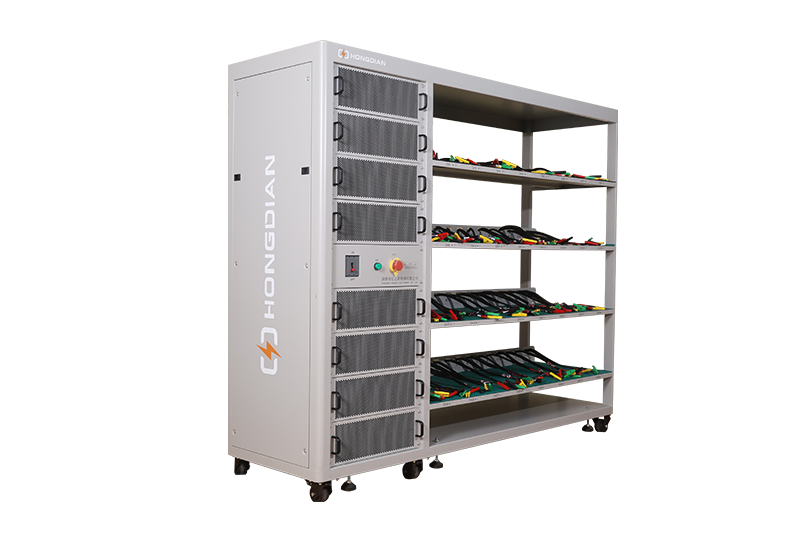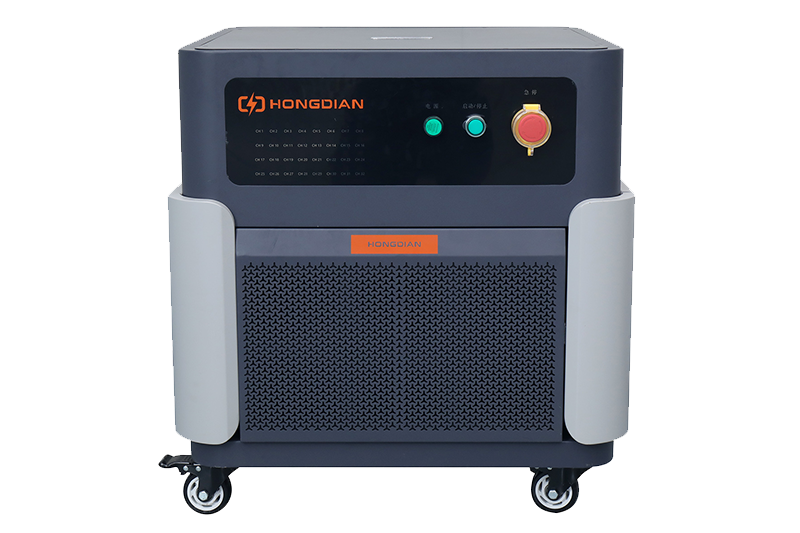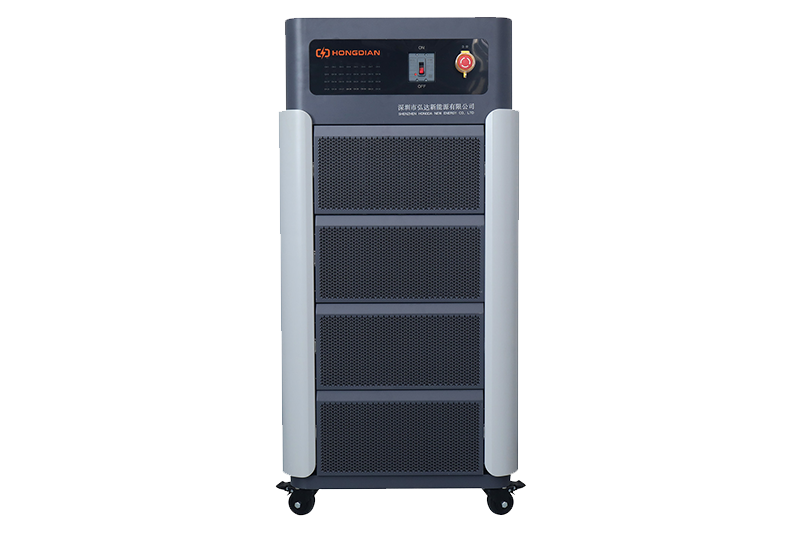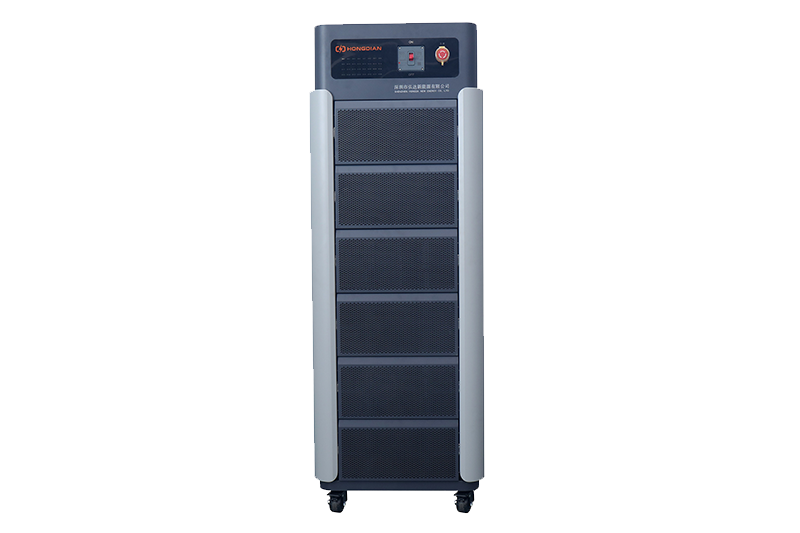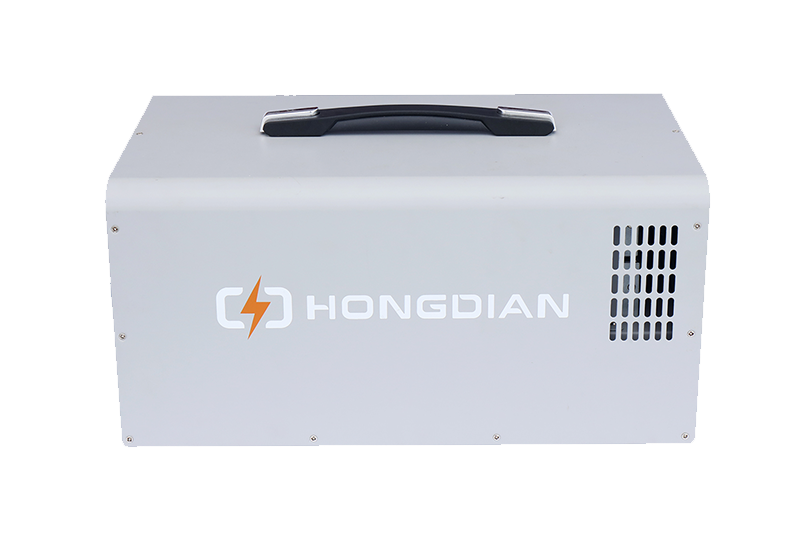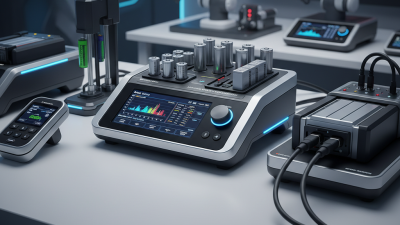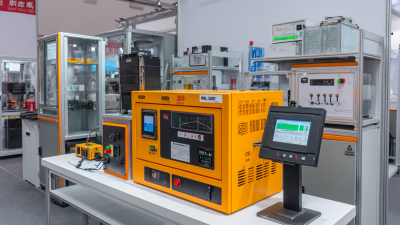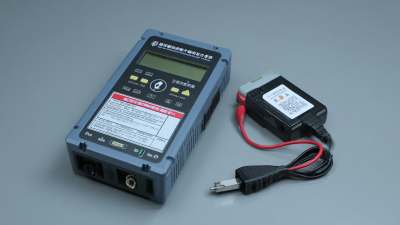
32/48 channel battery charging and discharging test integrated battery cabinet
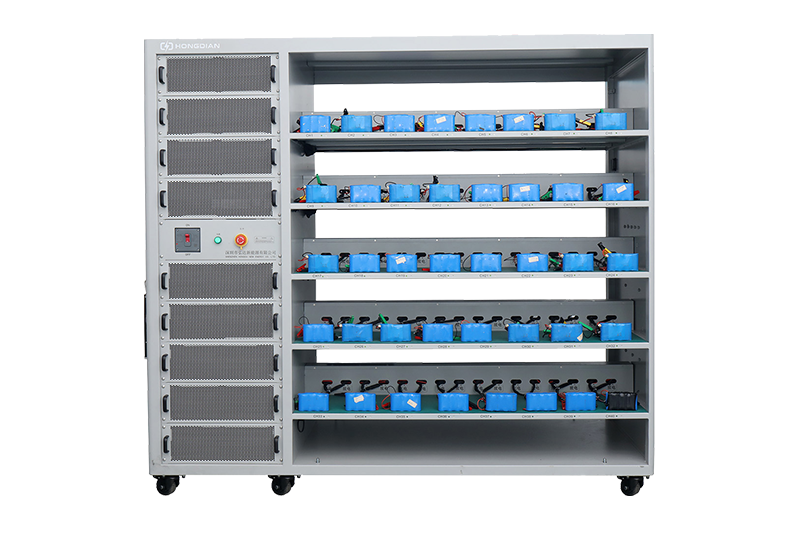
40 channel battery charging and discharging test integrated battery cabinet
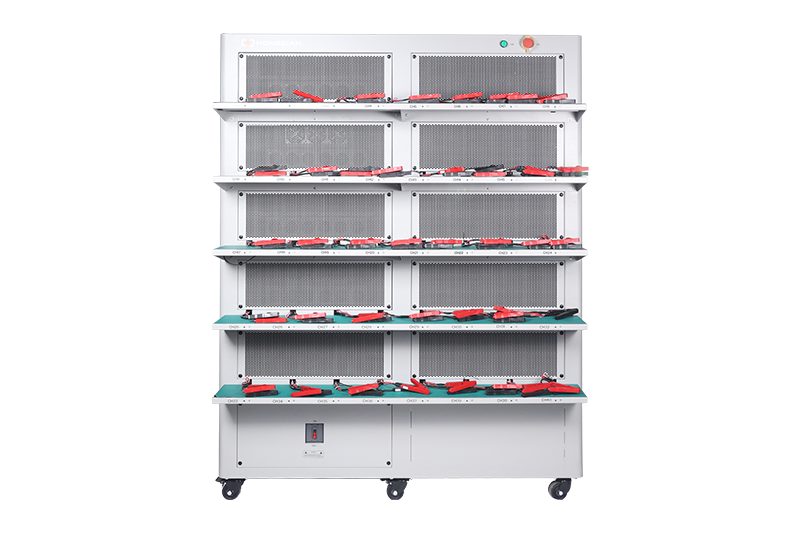
64 channel battery charging and discharging test integrated battery cabinet
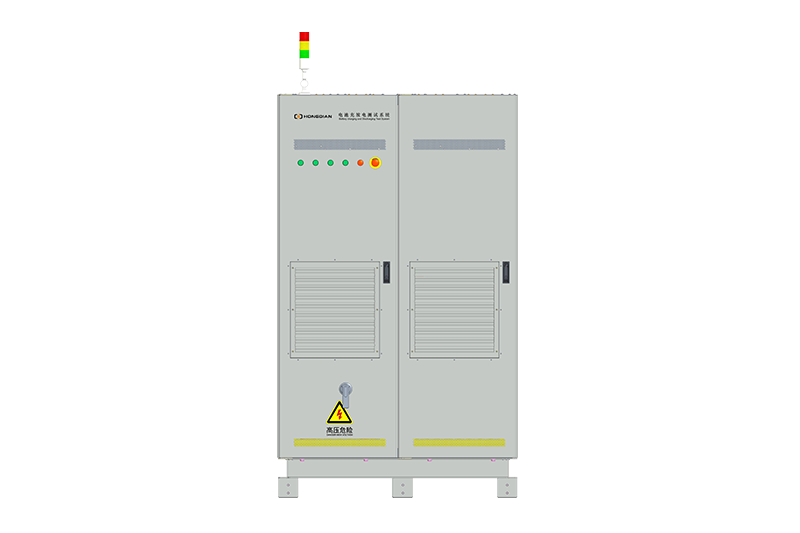
80 channel battery charging and discharging test integrated battery cabinet

The upcoming 2026 Canton Fair is shaping up to be a really exciting opportunity to showcase some of the best Lithium Battery Testers from around the globe. Mark your calendars – it runs from April 15 to May 5, and it's going to spotlight big advancements across various sectors like electronics and high-tech manufacturing. Among all these innovations, there’s a big focus on how powerful tools, like theAa Lithium Battery Tester, can boost marketing efforts.
With AI-powered search features and smart navigation, visitors will find it a lot easier to track down the right suppliers with the certifications they need. This tech really aims to smooth out the experience, especially considering the massive size of the venue — about 1.55 million square meters, no joke. Buyers on the hunt for top-quality Lithium Battery Testers can really benefit from this smarter approach. But, honestly, with so many vendors competing for attention, standing out isn’t a walk in the park.
If you’re attending, it’s super important to really evaluate the products critically. Not every tester will live up to the hype or your expectations, so it pays to dig a little deeper. The ones who pay attention to details might just come away with the best finds, while others might miss out. All in all, the 2026 Canton Fair looks set to be the place to discover top Lithium Battery Testers and connect with potential partners. So, if you're into this stuff, don’t miss it!
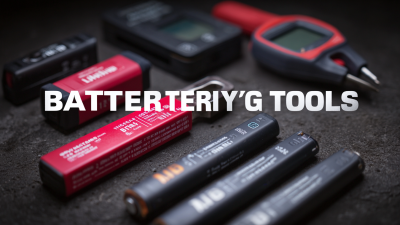
Lithium battery testers have evolved significantly in 2026. These devices now offer advanced features and greater accuracy. Users can easily measure voltage, capacity, and internal resistance. A reliable tester is crucial for anyone working with lithium batteries, from hobbyists to professionals.
At the Canton Fair, many testers showcased cutting-edge technology. Some devices provide real-time data through digital displays. Others have integrated connectivity features, allowing users to track performance on smartphones. Such advancements promise enhanced efficiency and improved user experience. However, the complexity of some models can deter less experienced users. Understanding all settings may require additional learning.
Battery testers should be reliable but also user-friendly. Some models can seem overwhelming with numerous options. Features that appeal to seasoned users might confuse novices. Balancing sophistication and simplicity is essential. Feedback from users highlights the need for intuitive designs. Manufacturers must consider diverse user backgrounds to make testers accessible for all.
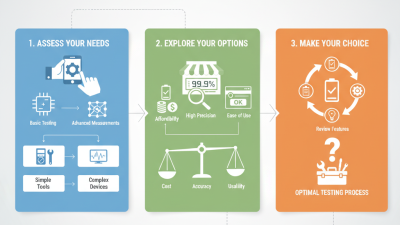
When selecting a Lithium-Ion Battery Tester, key features matter significantly. Battery capacity measurement is crucial. Accurate data helps users gauge performance levels effectively. Evolving battery technology requires testers to adapt. Professionals often overlook this factor, leading to inconsistent results.
Cost, while important, shouldn't be the sole focus. Advanced models offer detailed analytics, like internal resistance measurements. This provides deeper insights into battery health. A report from the Battery Testing Association indicates that 40% of battery failures stem from internal issues. Ignoring this can lead to premature replacements and waste.
Integration with software tools enhances usability. Many testers now offer Bluetooth connectivity. Users can track performance trends over time. A survey found that 70% of professionals prefer devices with data logging capabilities. However, some older models still lack this feature. Choosing wisely can save time and money in the long run.
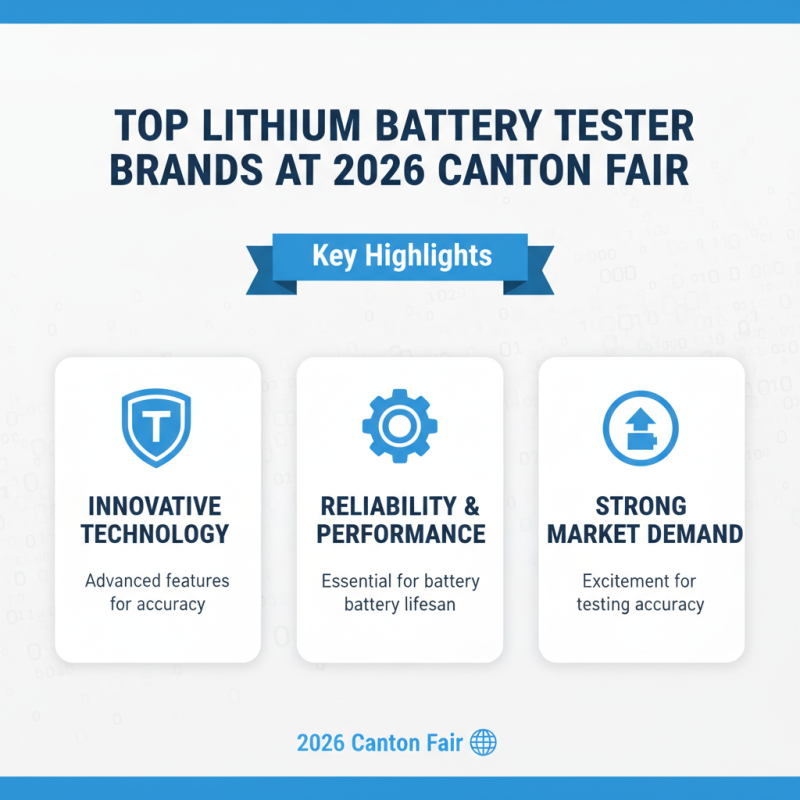
The 2026 Canton Fair offers a unique opportunity to explore a range of innovative lithium battery testers. Notably, many exhibitors focus on technology and reliability. These testers are essential for ensuring battery lifespan and performance. A strong demand for Lithium Ion Battery Testers is evident in the market. Visitors often expressed excitement over advancements in testing accuracy.
Several brands displayed cutting-edge features. Some testers showed real-time monitoring and data logging capabilities. This innovation boosts efficiency. However, the complexity of these devices can be daunting for some users. Many attendees mentioned needing clearer instructions and support. A need for user-friendly designs was a recurring theme.
Various manufacturers highlighted eco-friendly designs and sustainable materials. It’s a step forward, but still, some are skeptical about durability. Attendees questioned whether these materials compromise the performance of lithium battery testers. Continuous improvement is vital. Overall, the fair showcased a range of products that sparked engaging discussions about future possibilities in battery technology.
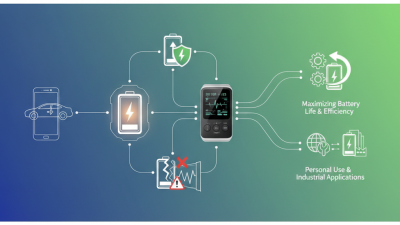
The lithium battery testing sector is evolving rapidly. Recent studies indicate that more than 50% of battery failures stem from inadequate testing methods. Innovations in this field focus on accuracy and efficiency. Advanced testing technologies now utilize AI algorithms to enhance diagnostic capabilities. This reflects a shift towards data-driven decision-making.
In the realm of lithium battery testing, new tools integrate real-time analytics. These technologies can predict battery lifespan with remarkable precision. Research shows that precise testing can extend battery life by up to 20%. However, challenges still exist. Many testers struggle with detecting minor defects. This gap highlights the need for more rigorous standards and improved methodologies.
Current trends also emphasize sustainability. Testing procedures must ensure minimal environmental impact. Reports reveal that improper disposal of testing materials poses significant risks. Therefore, the industry must adapt. Striking a balance between innovation and environmental responsibility remains a critical challenge for experts.
At the 2026 Canton Fair, various lithium battery testers were showcased. These testers play a crucial role in assessing battery performance and lifespan. A comparative analysis of these devices revealed significant variations in accuracy and features. Reports indicate that accurate battery diagnostics can enhance battery longevity by up to 15%. This emphasizes the importance of high-quality testing equipment.
One notable trend is the growing demand for multi-functional testers. Models that can assess charge levels, discharge rates, and even temperature stability are gaining traction. However, some testers underperformed during analysis. For example, devices with limited data reporting capabilities may lead to incomplete assessments. Such shortcomings can hinder effective decision-making for consumers.
The competition among exhibitors also raised some concerns. Some testers lacked essential features that users expect. Inconsistent results across different testers were observed. This variability might confuse customers. Data shows that 30% of consumers faced challenges deciding on the best tester at the Fair. It highlights the need for more standardized testing protocols. The market demands clarity and reliability in battery testing solutions.
At the 2026 Canton Fair, users shared their experiences with various battery testers. Many attendees expressed excitement about testing the latest Lithium Battery Discharge Tester models. These devices are crucial for ensuring optimal battery performance in a variety of applications.
Feedback highlighted both strong points and areas needing improvement. Some users appreciated the ease of use and quick results from the testers. Others noted that certain models struggled with accuracy, especially with older battery types. It's clear that while advancements are evident, reliability remains a concern for many.
Several reviews pointed out the testers' build quality. Some felt that a more rugged design is necessary for high-usage scenarios. User-friendly interfaces were praised, yet others found the instructions lacking clarity. Ultimately, while the battery testers showcased promising features, consistent performance across all models is an area for future development.
As the demand for renewable energy solutions grows, so does the need for advanced Lithium Battery Testers. Industry reports indicate a projected annual growth rate of over 12% in the battery testing market by 2028. This trend reflects the increasing reliance on lithium batteries in electric vehicles and energy storage systems. Enhanced testing technologies are essential for ensuring battery longevity and safety.
Recent innovations emphasize real-time monitoring capabilities. These technologies allow users to track battery performance continuously. Some testers are now capable of identifying battery degradation early, which is crucial for maintenance. With the rise of electric vehicles, more precise testing for efficiency and energy capacity becomes non-negotiable.
However, manufacturers still face challenges. High testing costs and complexities persist. Developing more user-friendly Lithium Battery Testers is imperative. The testing process needs simplification without sacrificing accuracy. Future testers should aim for integration with AI for predictive analytics. This would help users optimize battery lifespan more effectively. The industry is evolving. It needs to address both quality and usability to meet rising market demands.
| Tester Model | Measurement Range | Battery Types | Display Type | Connectivity Options | Estimated Price (USD) |
|---|---|---|---|---|---|
| Model A | 1V - 12V | Li-ion, LiPo, NiMH | LCD | USB, Bluetooth | $45 |
| Model B | 0.5V - 30V | Li-ion, LiFePO4 | LED | Bluetooth | $60 |
| Model C | 1V - 24V | Li-ion, NiCd | OLED | Wi-Fi, Bluetooth | $75 |
| Model D | 0V - 50V | Li-ion, Li-poly | TFT | None | $90 |
| Model E | 2V - 12V | Li-ion, NiMH, NiCd | LCD | USB | $50 |
: They measure voltage, capacity, and internal resistance accurately.
Many devices now offer real-time data and smartphone connectivity, enhancing usability.
No, some models are complex and may confuse novice users.
Over 50% of battery failures arise from poor testing methods, highlighting the need for improvement.
They can extend battery lifespan by up to 20% through precise analytics.
Many struggle to identify minor defects, indicating a gap in current technologies.
They must balance sophisticated features with user accessibility for diverse audiences.
Improper disposal of materials poses environmental risks, so eco-friendly practices are vital.
Users prefer intuitive designs that are easy to navigate, especially for novices.
There’s a need for more rigorous standards and improved testing methodologies.
The 2026 Canton Fair showcased a range of innovative Lithium Battery Testers, reflecting the latest advancements in battery testing technology. Attendees were introduced to key features that enhance the accuracy and efficiency of these testers, making it easier to assess battery performance. The comparative analysis of various models revealed significant improvements in design and functionality, catering to both professional and consumer needs.
User reviews and feedback collected during the event highlighted the importance of reliability and user-friendliness in Lithium Battery Testers. With the growing emphasis on sustainable energy solutions, future trends indicate a shift towards smart testing devices that integrate advanced analytics and connectivity. This evolution signifies a pivotal moment for lithium battery testing, promising more precise diagnostics and enhanced user experiences in the years to come.